



Relevant for Exams
Bihar: Central EC allegedly bypassed law by sending pre-filled elector notices, instead of local officials.
Summary
The news highlights a potential legal discrepancy where the central Election Commission in Bihar reportedly issued pre-filled notices to electors. This action is significant as existing law mandates that only local officials are authorized to issue such notices. This issue raises critical questions about adherence to electoral legal provisions and the decentralization of election processes, which is highly relevant for competitive exams focusing on Indian polity and governance.
Key Points
- 1The legal provision states that only local officials are authorized to issue notices to electors.
- 2The central Election Commission (EC) is alleged to have sent pre-filled notices in contradiction to this law.
- 3The specific state where this alleged incident occurred is Bihar.
- 4The notices in question were directed towards electors, concerning electoral processes.
- 5The issue underscores concerns regarding the adherence to electoral laws and the proper delegation of authority in election management.
In-Depth Analysis
The news regarding the central Election Commission (EC) allegedly issuing pre-filled notices to electors in Bihar, despite existing law mandating local officials to do so, highlights a critical point of tension in India's electoral administration. This incident brings to the fore fundamental questions about adherence to legal provisions, the decentralization of electoral processes, and the distribution of authority within the election machinery.
**Background Context:**
India's electoral system is a monumental exercise in democracy, overseen by the Election Commission of India (ECI), an autonomous constitutional body established under **Article 324** of the Constitution. Its primary mandate is to superintend, direct, and control the preparation of electoral rolls and the conduct of elections to Parliament, State Legislatures, and the offices of President and Vice-President. To execute this vast responsibility, the ECI relies on a meticulously structured hierarchy. At the state level, there are Chief Electoral Officers (CEOs), followed by District Election Officers (DEOs) at the district level. Crucially, at the grassroots, there are Electoral Registration Officers (EROs) and Booth Level Officers (BLOs), who are typically local government officials. These local officials are the backbone of electoral roll management, responsible for tasks like voter registration, verification, and the issuance of notices related to electoral rolls. The **Representation of the People Act, 1950**, and the rules framed thereunder, specifically govern the preparation and revision of electoral rolls, often detailing the roles of these local functionaries.
**What Happened:**
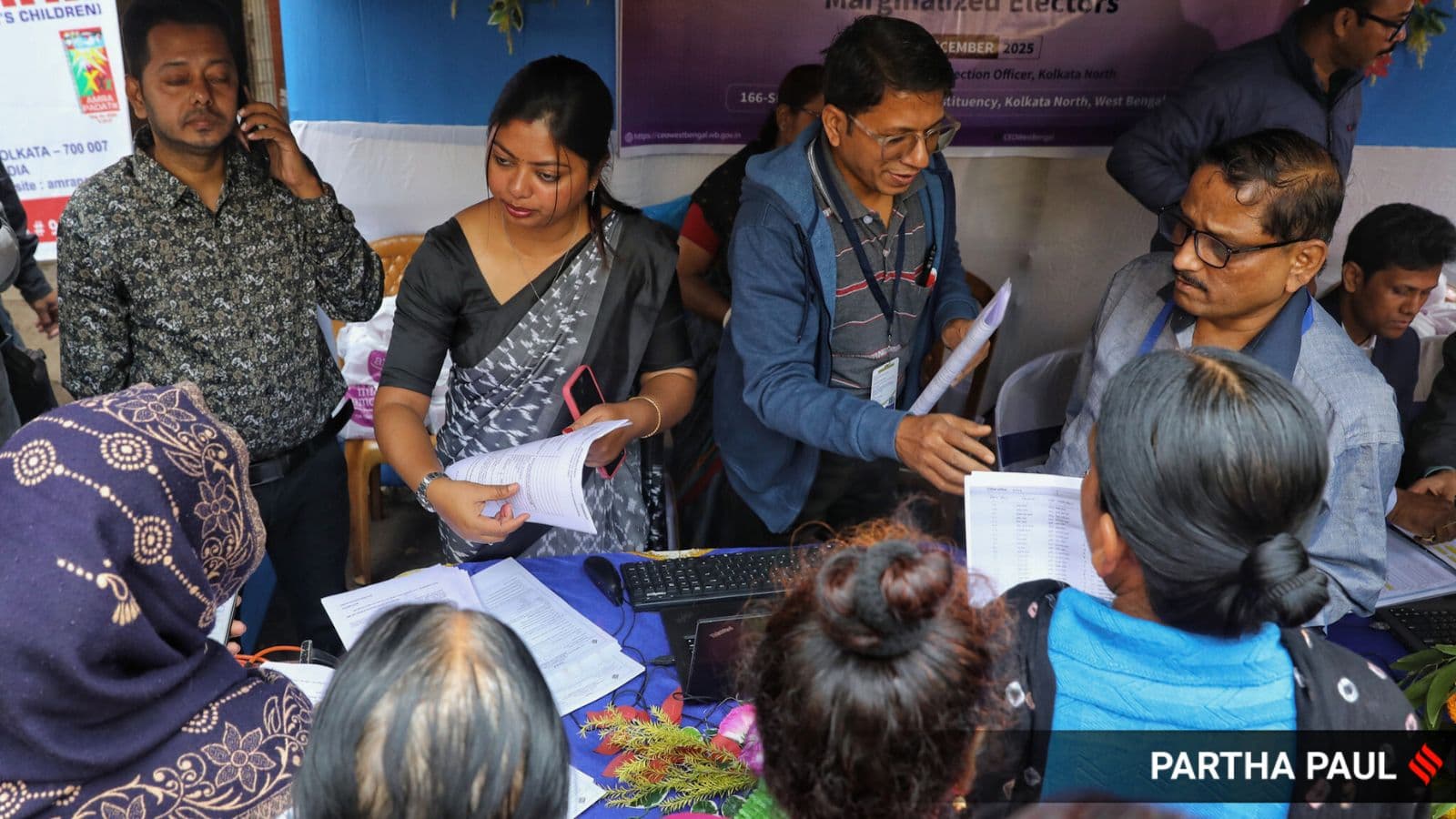
The core of the controversy lies in the alleged action of the central EC in Bihar. Reports suggest that pre-filled notices were dispatched directly by the central EC to electors. This move is seen as a bypass of the established legal protocol, which, as per the identified legal provision, reserves the authority to issue such notices specifically for local officials like EROs or BLOs. These notices are essential for electors to verify their details, claim inclusions, or object to wrongful entries, thereby ensuring the accuracy and integrity of the electoral roll. By allegedly centralizing this function and sending pre-filled notices, the ECI's action could be perceived as an overreach, potentially undermining the designated roles of local electoral machinery.
**Key Stakeholders Involved:**
1. **Election Commission of India (ECI):** As the apex body, its actions are under scrutiny for potentially deviating from established legal procedures. Its role is to ensure free and fair elections, but also to operate within the bounds of law.
2. **State Election Machinery (Bihar):** Comprising the CEO, DEOs, EROs, and BLOs, these officials are directly responsible for electoral roll management at the ground level. Their authority and designated functions are potentially undermined by the central EC's alleged action.
3. **Electors:** The citizens whose names appear on the electoral rolls. The accuracy and proper management of these rolls directly impact their fundamental right to vote. Proper notices ensure their participation in the verification process.
4. **Political Parties:** They are keen observers of electoral processes and often raise concerns about procedural irregularities that could affect the fairness of elections.
5. **Judiciary:** In instances of alleged legal violations or procedural discrepancies, the judiciary serves as the arbiter, potentially intervening if a legal challenge is mounted.
**Why This Matters for India:**
This incident carries significant implications for India's democratic framework. Firstly, it touches upon the **Rule of Law**, emphasizing that even constitutional bodies must operate strictly within the legal framework established by Parliament. Any perceived deviation can erode public trust in electoral institutions. Secondly, it highlights the delicate balance between **centralization and decentralization** in governance. India's election management system is designed with a decentralized structure at the operational level to leverage local knowledge and ensure efficiency. Bypassing local officials could weaken this structure and make the process less accessible or responsive to local needs. Thirdly, the **credibility and transparency of elections** are paramount. Any action that creates ambiguity or bypasses established procedures can invite criticism and raise questions about the fairness of the electoral process, which is the bedrock of Indian democracy. Furthermore, it impacts **voter rights**, as the proper issuance of notices is crucial for citizens to actively participate in maintaining accurate electoral rolls.
**Historical Context and Future Implications:**
Historically, the ECI has strived to maintain its independence and uphold the integrity of elections, often navigating complex political landscapes. Debates around the extent of its powers, especially concerning the Model Code of Conduct or its directives to state machinery, have been ongoing. This particular incident could lead to a re-examination of the specific provisions related to electoral roll management under the Representation of the People Act, 1950, and the rules framed thereunder. It might prompt clarification from the ECI or even a legal challenge, potentially leading to judicial pronouncements that further define the boundaries of authority between the central EC and local officials. In the long run, it underscores the need for continuous electoral reforms to ensure that procedures remain robust, transparent, and legally compliant, while also strengthening the capacity and autonomy of local election officials. It could also influence future policy decisions regarding the delegation of responsibilities in election administration.
**Related Constitutional Articles, Acts, or Policies:**
* **Article 324**: Vests the superintendence, direction, and control of elections in the Election Commission.
* **Representation of the People Act, 1950**: Deals with the preparation and revision of electoral rolls, including the appointment of Electoral Registration Officers and their duties. The specific provision regarding who can issue notices would likely be found here or in the Electors Registration Rules, 1960.
* **Representation of the People Act, 1951**: Deals with the conduct of elections, qualifications, and disqualifications.
* **Election Laws (Amendment) Act, 2021**: While not directly related to notices, it reflects ongoing efforts to amend electoral laws, such as linking Aadhaar with voter ID.
This incident serves as a crucial reminder of the intricate legal and administrative framework governing elections in India and the constant need for vigilance to uphold its integrity.
Exam Tips
This topic falls under 'Indian Polity and Governance' for UPSC (GS-II) and State PSCs, and 'General Awareness' for SSC, Banking, Railway, and Defence exams. Focus on the structure, powers, and functions of the Election Commission of India.
Study related topics like the constitutional provisions (Article 324, 325, 326), the Representation of the People Acts (1950 and 1951), electoral reforms, and the hierarchy of election officials (CEO, DEO, ERO, BLO).
Common question patterns include factual questions on Article 324 or the composition of the ECI, analytical questions on the independence and autonomy of the ECI, challenges to electoral integrity, and the role of various stakeholders in election management.