



Relevant for Exams
ECI publishes draft electoral rolls, a key step for accurate voter lists and election integrity.
Summary
The Election Commission of India (ECI) was set to publish draft electoral rolls, a crucial step in ensuring accurate voter lists for upcoming elections. This process allows citizens to verify their details, raise objections, and request corrections, vital for maintaining the integrity of democratic elections. For competitive exams, understanding the ECI's constitutional mandate, its functions, and the electoral process, including voter registration and roll revision, is highly significant.
Key Points
- 1The Election Commission of India (ECI) is a constitutional body established under Article 324 of the Indian Constitution.
- 2The ECI is responsible for the superintendence, direction, and control of the preparation of electoral rolls.
- 3Publication of draft electoral rolls allows for claims and objections from the public, ensuring accuracy and inclusivity.
- 4The process of electoral roll revision is fundamental for conducting free and fair elections in India.
- 5Special Summary Revision (SSR) is a periodic exercise undertaken by the ECI to update voter lists based on qualifying dates.
In-Depth Analysis
The Election Commission of India (ECI) publishing draft electoral rolls is a fundamental exercise that underpins the democratic process in the country. This seemingly routine administrative task is, in fact, a cornerstone for ensuring free, fair, and inclusive elections, reflecting the true will of the people.
**Background Context and What Happened:**
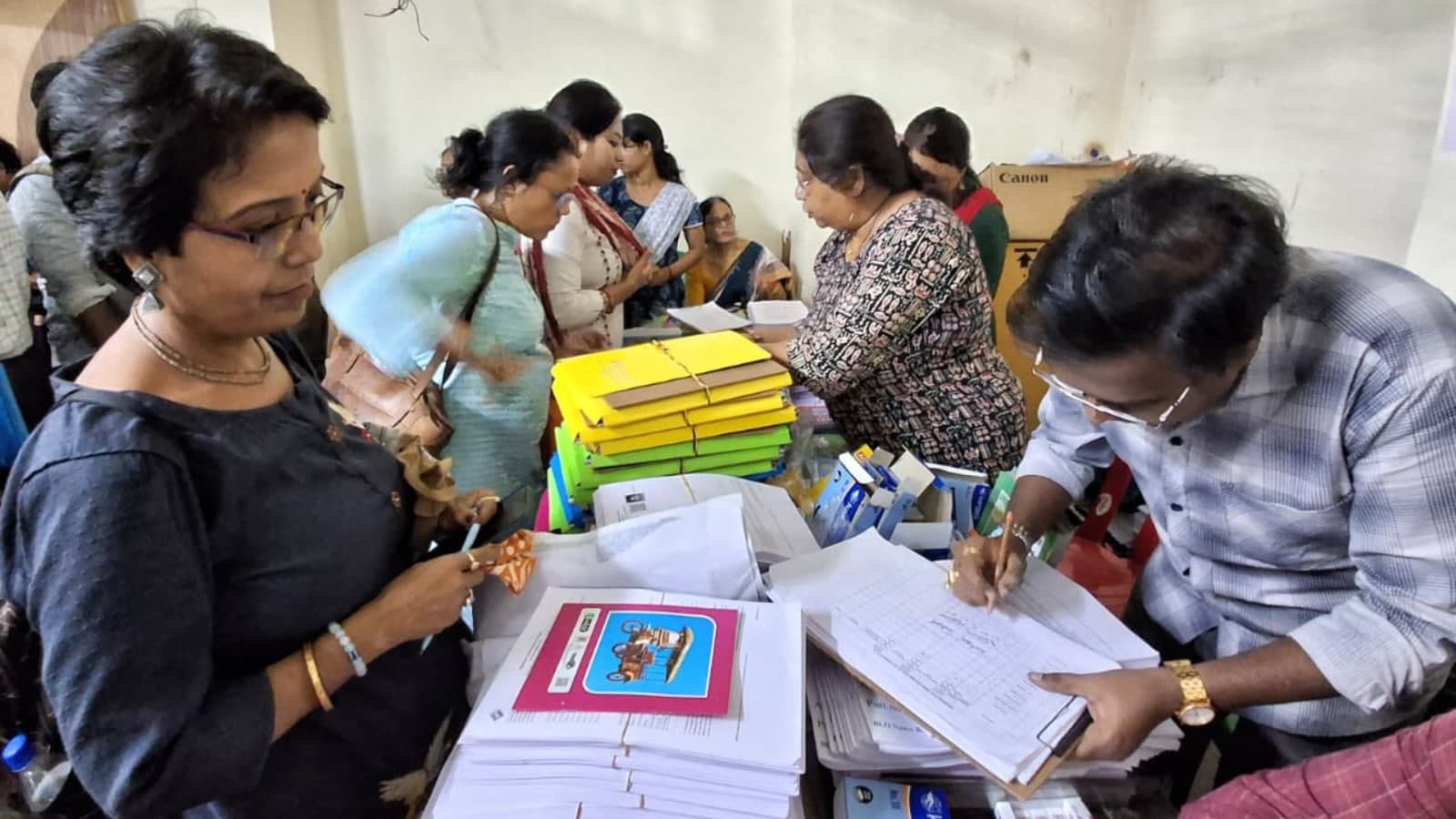
India, as the world's largest democracy, places immense importance on its electoral system. The Election Commission of India, a permanent and independent constitutional body, was established on January 25, 1950, to superintend, direct, and control the preparation of electoral rolls and the conduct of elections to Parliament and State Legislatures, as well as the offices of President and Vice-President. This mandate is enshrined in Article 324 of the Indian Constitution. The publication of draft electoral rolls is a critical phase in the Special Summary Revision (SSR) process, which is undertaken periodically by the ECI. The SSR aims to update the voter list based on a specific 'qualifying date' (typically January 1st of the year). During this period, citizens who have attained the age of 18 on or before the qualifying date, or those who have moved, or whose details need correction, can register, update, or remove their names. The draft publication allows the public to scrutinize the proposed list, file claims for inclusion, object to wrongful inclusions, or seek corrections to their entries. This transparent mechanism is crucial for maintaining the accuracy and integrity of the voter database.
**Key Stakeholders Involved:**
Several stakeholders play vital roles in this process. The **Election Commission of India (ECI)** is the central authority, responsible for designing the process, issuing guidelines, and overseeing its implementation. At the ground level, **District Election Officers (DEOs)**, usually the District Magistrates or Collectors, along with **Electoral Registration Officers (EROs)** and **Booth Level Officers (BLOs)**, are directly involved in executing the revision process, receiving applications, and verifying details. **Political parties** are significant stakeholders, often deploying their representatives to assist citizens with registration, scrutinize the draft rolls, and raise legitimate objections. Finally, and most importantly, **citizens** are the ultimate stakeholders. Their active participation in verifying their details and filing claims/objections is indispensable for ensuring the accuracy and inclusivity of the electoral rolls. Without public vigilance, the process loses its democratic robustness.
**Significance for India:**
This process holds profound significance for India's democratic fabric. Firstly, it **upholds democratic integrity** by ensuring that only eligible citizens vote and that each eligible citizen has the opportunity to exercise their franchise. It prevents anomalies like 'ghost voters' or multiple entries, which could undermine election fairness. Secondly, it promotes **inclusive participation**, especially for new voters (youth turning 18) and marginalized communities, by actively encouraging their registration. This ensures that the electoral roll reflects the current demographic reality. Thirdly, accurate electoral rolls are foundational for **free and fair elections**, as they prevent disputes and enhance the legitimacy of election outcomes. This, in turn, strengthens public trust in democratic institutions and processes. From a governance perspective, accurate voter data can also inform policy decisions, although its primary purpose remains electoral.
**Historical Context and Constitutional Provisions:**
The concept of adult suffrage and a universal electoral roll was enshrined in the Indian Constitution from its inception (Article 326). The Representation of the People Act, 1950, specifically deals with the preparation and revision of electoral rolls, laying down the detailed legal framework for the ECI's functions in this regard. Over the decades, the ECI has continuously refined this process, moving from largely manual systems to increasingly digitized and technology-driven approaches. The introduction of Electronic Photo Identity Cards (EPICs) in 1993, and later online voter registration facilities and apps, are testaments to this evolution, aimed at enhancing efficiency, transparency, and accessibility.
**Future Implications:**
The future of electoral roll management in India will likely see greater integration of technology and data analytics. Initiatives like linking Aadhaar with voter IDs (though currently voluntary and facing privacy concerns) aim to further streamline the process and prevent duplication. The ECI is continuously exploring ways to make voter registration seamless and error-free, potentially leveraging Artificial Intelligence for data verification and anomaly detection. Ensuring the accessibility of the revision process for persons with disabilities, migrant workers, and other vulnerable groups will remain a key focus. Ultimately, a robust, accurate, and regularly updated electoral roll is essential for India to sustain its vibrant democracy, ensuring that every voice is counted and every vote truly matters, leading to stable governance and legitimate representation in the years to come.
Exam Tips
This topic falls under 'Indian Polity and Governance' in UPSC Civil Services Exam (Prelims & Mains GS-II), State PSCs, and general awareness sections for SSC, Banking, and Railway exams. Focus on the constitutional provisions and the functions of the ECI.
Study related topics like the composition of the ECI, its powers and functions (Article 324), electoral reforms (e.g., EVMs, VVPATs, Model Code of Conduct), and the provisions of the Representation of the People Acts (1950 & 1951) alongside this. Understanding the entire electoral machinery is crucial.
Common question patterns include: direct questions on Article 324, the process of electoral roll revision, the role of ECI, the significance of voter IDs, and reforms proposed/implemented in the electoral system. Be prepared to analyze the ECI's independence and challenges it faces.