



Relevant for Exams
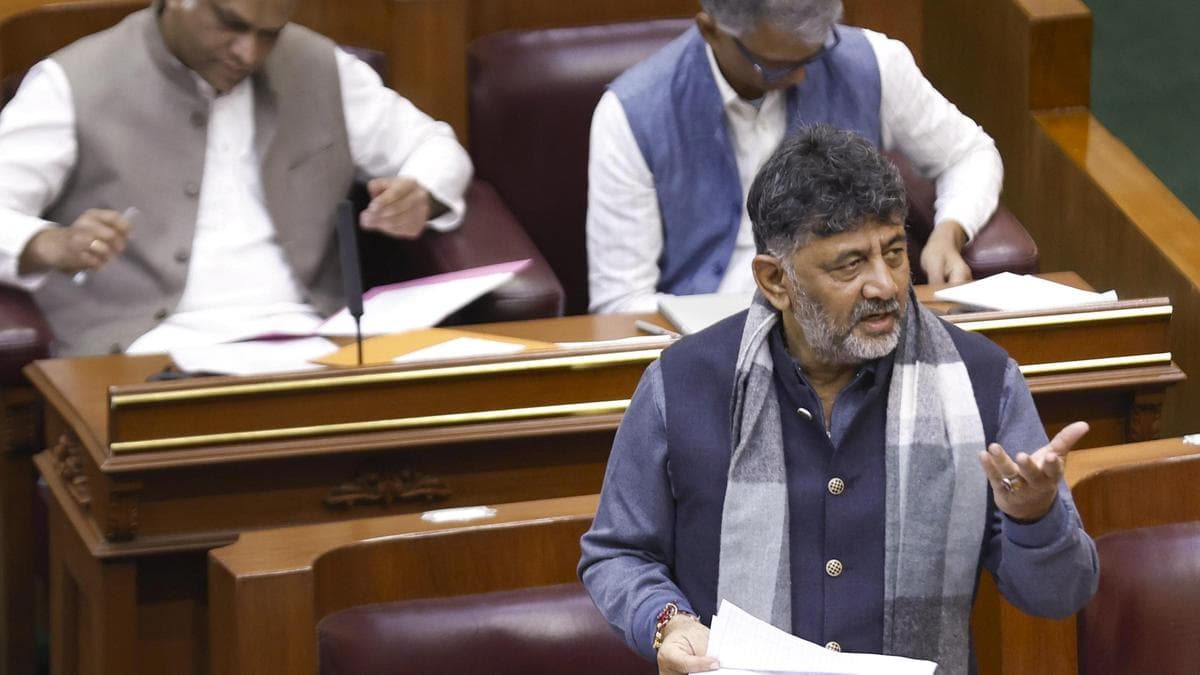
Karnataka Assembly adopts GBA amendment Bill to add members, drops nominated member provision.
Summary
The Karnataka Assembly has adopted an amendment Bill concerning the GBA, primarily aimed at increasing its membership. A significant change during the adoption was the removal of a provision for appointing nominated members to the GBA, a move agreed upon by the Deputy Chief Minister following suggestions from Opposition members. This legislative action is important for understanding state governance and the dynamics of legislative amendments in India.
Key Points
- 1The Karnataka Assembly adopted an amendment Bill related to the GBA.
- 2The primary objective of the adopted Bill is to add members to the GBA.
- 3A key provision for appointing nominated members to the GBA was dropped from the Bill.
- 4The Deputy Chief Minister of Karnataka agreed to remove the nominated member provision.
- 5The suggestion to drop the provision for nominated members came from Opposition members.
In-Depth Analysis
The recent adoption of an amendment Bill by the Karnataka Assembly, aimed at increasing the membership of a state-level governance board or authority (referred to as GBA) while notably dropping the provision for nominated members, offers a fascinating insight into the dynamics of state legislature, governance, and the interplay between ruling and opposition parties. This seemingly localized legislative action carries significant implications for democratic principles, accountability, and the efficiency of public administration in India.
To understand the full scope of this development, let's first establish the background context. State-level statutory bodies, like the GBA, are often created by legislative acts to manage specific sectors, administer particular regions, or implement state policies. Their purpose is to provide specialized governance, ensure focused development, and sometimes facilitate decentralization of power. Over time, as populations grow, responsibilities expand, or new challenges emerge, the structure and size of these bodies may need revision. An increase in membership, as proposed by the Bill, usually aims to broaden representation, incorporate diverse expertise, or manage an increased workload, thereby enhancing the body's capacity and effectiveness.
The core event here is the Karnataka Assembly's legislative process. The government introduced a Bill to amend the existing law governing the GBA, primarily to expand its membership. However, during the debate, a crucial provision allowing for the appointment of 'nominated members' became a point of contention. Opposition members raised concerns about this provision, likely arguing that nominated members, often seen as political appointees rather than merit-based selections, could undermine the body's independence, introduce political patronage, or dilute accountability. In a significant display of legislative consensus and responsiveness, the Deputy Chief Minister agreed to remove this provision. This willingness to incorporate opposition suggestions reflects a healthy democratic process where legislative outcomes are shaped through deliberation and compromise.
The key stakeholders in this event are multifaceted. Firstly, the **Karnataka State Government**, represented by the Deputy Chief Minister and the ruling party, initiated the Bill, demonstrating its intent to reform and strengthen the GBA. Secondly, the **Opposition Members** played a critical role by scrutinizing the Bill and advocating for changes that they believed would enhance governance quality. Their intervention highlights the essential 'check and balance' function of the opposition in a parliamentary democracy. Thirdly, the **GBA itself** is a direct stakeholder, as its future composition and operational dynamics will be altered. Finally, and most importantly, the **citizens of Karnataka** are the ultimate stakeholders, as the effectiveness and accountability of the GBA directly impact public service delivery and governance in the state.
This development holds substantial significance for India's governance landscape. It underscores the vital role of state legislatures (covered under **Articles 168 to 212 of the Indian Constitution**) in shaping public administration. The removal of nominated members, driven by legislative debate, is a positive step towards improving transparency and accountability in statutory bodies. Nominated positions, while sometimes intended to bring in specialized expertise, have often been criticized for being avenues for political appointments, leading to a lack of independence and diluted accountability. By removing such provisions, the legislature signals a commitment to meritocracy and democratic principles. This move aligns with broader themes of good governance, which emphasize citizen-centric administration, transparency, and participation.
Historically, the debate around nominated members is not new. From the composition of the Rajya Sabha (where **Article 80(3)** allows for nominated members in specific fields) to various state-level boards, the balance between elected/appointed and nominated members has been a recurring discussion point. The current move in Karnataka can be seen as part of an evolving understanding of governance where political expediency is increasingly being balanced with demands for greater public trust and efficiency. This incident also showcases the power of a vigilant opposition to influence policy, preventing potential misuse of power or political favoritism.
Looking ahead, the future implications are significant. This legislative precedent could encourage other state governments to review the composition of their statutory bodies, potentially leading to similar reforms that prioritize merit and accountability over political nominations. It could foster a more collaborative legislative environment where the government is more open to opposition suggestions, strengthening democratic practices. Furthermore, a GBA with a more democratically structured membership could potentially function more effectively, leading to improved service delivery and better governance outcomes for the people of Karnataka. This move reinforces the idea that legislative bodies are not merely rubber stamps but active arenas for debate, amendment, and improvement of public policy, ultimately contributing to better administration and stronger democratic institutions across India.
Exam Tips
This topic falls under GS Paper II (Polity & Governance) for UPSC Civil Services Exam and similar sections for State PSCs. Focus on the legislative process in states, the role of the State Legislature (Articles 168-212), and the functions of statutory bodies.
Study the concept of 'nominated members' in various Indian bodies (e.g., Rajya Sabha, Anglo-Indians in Assemblies before 104th Amendment) and the arguments for/against their inclusion. Understand the principles of good governance: transparency, accountability, and participation.
Expect questions on the powers and functions of the State Legislative Assembly, the role of the Opposition, how a Bill becomes a Law in a state, and the significance of statutory bodies in state administration. Case-study based questions on legislative reforms are also possible.
Related Topics to Study
Full Article
The Deputy Chief Minister agreed to the suggestion by the Opposition members to drop the provision for appointing nominated members to the GBA