



Relevant for Exams
Kerala CM, Governor end V-C appointment deadlock; Ciza Thomas, Saji Gopinath appointed.
Summary
Kerala Chief Minister Pinarayi Vijayan and the Governor have reached a conciliatory agreement, leading to the appointments of Ciza Thomas and Saji Gopinath as Vice-Chancellors. This resolution ends a long-standing dispute over V-C selections, highlighting the administrative dynamics and the Governor's role as Chancellor of state universities. This development is significant for understanding state governance and executive-legislative relations, particularly for competitive exams.
Key Points
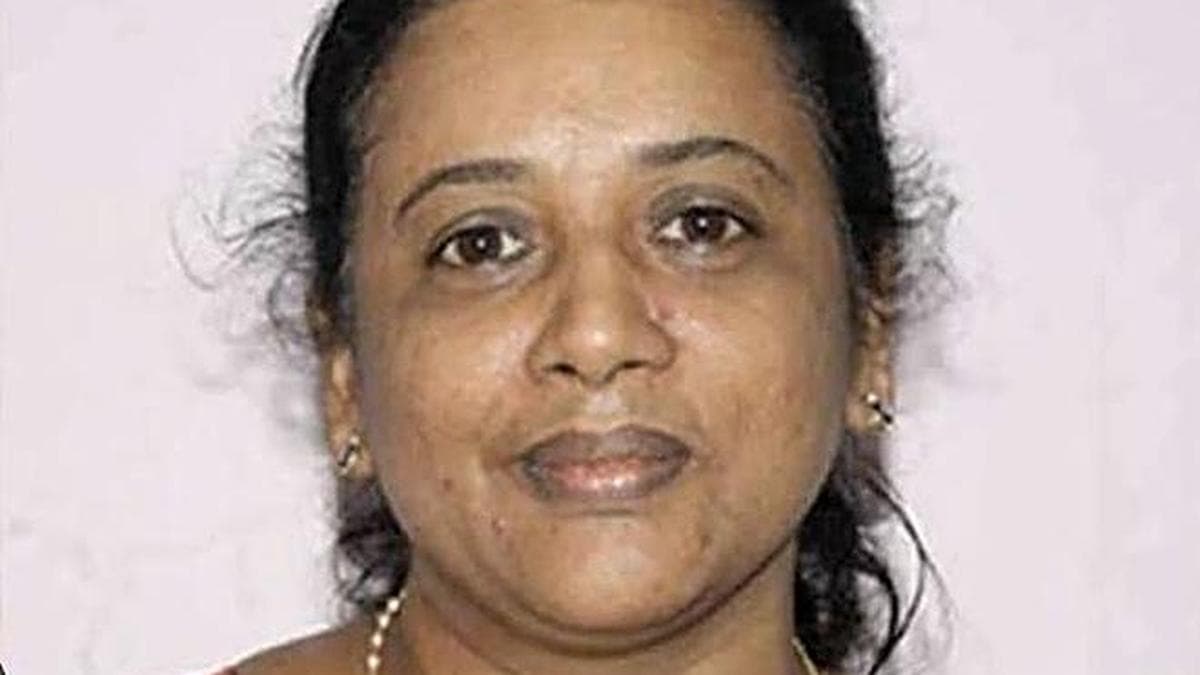
- 1Ciza Thomas was appointed as a Vice-Chancellor in Kerala.
- 2Saji Gopinath was appointed as a Vice-Chancellor in Kerala.
- 3The appointments followed a truce between Kerala Chief Minister Pinarayi Vijayan and the Governor.
- 4CM Pinarayi Vijayan dropped his long-held objection to Ciza Thomas's elevation.
- 5The Governor followed suit by dropping objections in the case of Saji Gopinath's appointment.
In-Depth Analysis
The recent truce between Kerala Chief Minister Pinarayi Vijayan and Governor Arif Mohammed Khan over the appointment of Vice-Chancellors marks a significant development in the often-strained relationship between state governments and Governors in India. This conciliatory agreement, leading to the appointments of Ciza Thomas and Saji Gopinath, brings a temporary halt to a long-standing dispute that has implications for federalism, higher education governance, and constitutional propriety.
**Background Context and What Happened:**
For an extended period, Kerala witnessed a high-voltage standoff between the LDF government and Governor Khan, particularly concerning the administration of state universities. The Governor, by virtue of his position as Chancellor of state universities (as per state university acts), holds significant power in the appointment and removal of Vice-Chancellors. The state government, on the other hand, seeks to assert its executive authority and influence over these crucial academic positions. The friction intensified over various issues, including the Governor's insistence on adhering strictly to University Grants Commission (UGC) regulations for VC appointments, his questioning of the legality of some appointments made by the state, and the state's attempts to curtail the Chancellor's powers through legislative means. The immediate flashpoint involved the Governor's refusal to assent to certain names proposed by the government and the government's objection to candidates favored by the Governor. This stalemate created administrative uncertainties in several universities. The breakthrough came after a crucial conciliatory meeting, where Chief Minister Pinarayi Vijayan dropped his long-held objection to Ciza Thomas's elevation, and in reciprocation, the Governor agreed to the appointment of Saji Gopinath, ending the impasse.
**Key Stakeholders Involved:**
1. **The Governor (Arif Mohammed Khan):** As the constitutional head of the state and, crucially, the *ex-officio* Chancellor of most state universities, the Governor plays a dual role. His actions reflect both his constitutional obligations and, at times, the perceived agenda of the central government that appoints him. His insistence on UGC norms highlights a focus on academic standards and legal compliance.
2. **The State Government (Chief Minister Pinarayi Vijayan and Council of Ministers):** The elected executive of the state, responsible for policy-making and administration, including higher education. They aim to appoint VCs aligned with their vision and political philosophy, often leading to clashes with the Governor over autonomy and appointment procedures.
3. **University Grants Commission (UGC):** While not directly involved in the truce, the UGC's guidelines for VC appointments are central to the dispute. The UGC (Minimum Qualifications for Appointment of Teachers and Other Academic Staff in Universities and Colleges and Measures for the Maintenance of Standards in Higher Education) Regulations, 2018, mandate specific procedures and qualifications for VCs, which the Governor often cites.
4. **The Universities:** The primary institutions affected by these disputes. Delays in VC appointments can lead to administrative paralysis, hinder academic progress, and impact research and development.
5. **Appointees (Ciza Thomas, Saji Gopinath):** These individuals are now tasked with leading their respective universities, often under the shadow of the political circumstances surrounding their appointments.
**Why This Matters for India:**
This episode is highly significant for understanding the dynamics of Indian federalism and governance. The Governor's role is often a point of contention between the Centre and states, especially when the state government is led by an opposition party. The dispute over university appointments is a microcosm of broader Centre-state administrative relations. It highlights the delicate balance between the autonomy of academic institutions, the executive authority of the state government, and the constitutional duties of the Governor. Such conflicts can undermine the credibility and functioning of higher education institutions, which are vital for national development. The truce, while welcome, underscores the need for clear, unambiguous legal frameworks for VC appointments to minimize political interference and ensure meritocracy.
**Historical Context and Constitutional Provisions:**
Clashes between Governors and state governments are not new in India's political history. Committees like the Sarkaria Commission (1983) and the Punchhi Commission (2007) have extensively examined the role of the Governor and recommended measures to ensure harmonious Centre-state relations and prevent misuse of the Governor's office. While **Article 153** mandates a Governor for each state and **Article 154** vests the executive power of the state in the Governor, **Article 163** specifies that the Governor acts on the aid and advice of the Council of Ministers, except where he is required to act in his discretion. However, the role as Chancellor of universities is typically defined by specific **State University Acts**, not directly by the Constitution. These acts often grant the Governor significant discretionary powers in university matters, leading to the current disputes. Supreme Court judgments, such as the *Gambhirdhan K Gadhvi vs. State of Gujarat* case (2022), have reinforced the supremacy of UGC regulations in VC appointments, stating that state laws contrary to UGC norms would be void.
**Future Implications:**
While the Kerala truce offers a temporary respite, it doesn't resolve the underlying structural issues. The episode might encourage other states facing similar deadlocks to seek conciliatory paths. However, it also highlights the vulnerability of university autonomy to political power plays. The long-term implications could include renewed calls for amending state university acts to delineate the Chancellor's powers more clearly, potentially reducing the Governor's discretionary role, or, conversely, a stronger assertion of the Governor's constitutional and statutory authority in line with national academic standards. Ultimately, the stability and quality of India's higher education system depend on evolving a robust, apolitical mechanism for leadership appointments, ensuring that merit and academic excellence prevail over political considerations.
Exam Tips
This topic falls under 'Indian Polity & Governance' (UPSC Mains GS-II, State PSCs) and 'General Awareness' (SSC). Focus on the roles and powers of the Governor, Centre-State relations, and the governance of higher education institutions.
Study related topics like the constitutional provisions for the Governor (Articles 153, 154, 163), the Sarkaria and Punchhi Commissions' recommendations on the Governor's role, and the University Grants Commission (UGC) Act, 1956, along with its latest regulations on VC appointments.
Expect questions on the discretionary powers of the Governor, conflicts between the Governor and state government, the impact of political interference on university autonomy, and the role of constitutional bodies in maintaining standards (e.g., UGC). Questions can be factual (e.g., 'Who appoints VCs in state universities?') or analytical (e.g., 'Critically examine the role of the Governor as Chancellor of state universities in India.').
Related Topics to Study
Full Article
The appointments come after Chief Minister Pinarayi Vijayan drops his long-held objection to CIza Thomas’ elevation and Governor follows suit in the case of Saji Gopinath following a conciliatory meeting held two days ago