



Relevant for Exams
Kanchi Kamakoti Peetam moves Madras HC for elephant custody; court orders inspection of new facility.
Summary
The Kanchi Kamakoti Peetam has approached the Madras High Court to regain custody of its elephants. Justice V. Lakshminarayanan ordered the Principal Chief Conservator of Forests to inspect a 2.94-acre facility at Konerikuppam built by the Mutt for the pachyderms. This case highlights legal aspects of wildlife custody, animal welfare, and the role of religious institutions, making it relevant for understanding judicial directives and environmental regulations in India.
Key Points
- 1The Kanchi Kamakoti Peetam filed a petition in the Madras High Court.
- 2The petition seeks to take back custody of its elephants.
- 3Justice V. Lakshminarayanan of the Madras High Court issued the directive.
- 4The Principal Chief Conservator of Forests-cum-Chief Wildlife Warden is directed to inspect the facility.
- 5The facility is 2.94 acres, located at Konerikuppam, and built by the Mutt for housing pachyderms.
In-Depth Analysis
The recent move by the Kanchi Kamakoti Peetam to reclaim custody of its elephants through a petition in the Madras High Court brings to the forefront a complex interplay of religious tradition, animal welfare, and environmental law in India. This case, where Justice V. Lakshminarayanan has directed the Principal Chief Conservator of Forests-cum-Chief Wildlife Warden to inspect a newly built 2.94-acre facility at Konerikuppam, is not merely about a religious institution's desire to house elephants; it encapsulates broader national debates on the treatment of captive wildlife and the implementation of protective legislation.
**Background Context and What Happened:**
Elephants hold immense cultural and religious significance in India, particularly in South Indian temples, where they are often revered as living deities and play a central role in rituals and processions. However, the tradition of keeping elephants in captivity has increasingly come under scrutiny due to concerns about their welfare. Many captive elephants, especially those in temples, often live in conditions far removed from their natural habitat, leading to health issues, psychological distress, and shortened lifespans. Over the years, animal rights activists and welfare organizations have highlighted instances of abuse, neglect, and illegal trafficking of elephants, prompting stricter enforcement of existing laws. It is in this context that the Kanchi Kamakoti Peetam's elephants were likely removed or placed under care, although the specific details of their initial removal are not provided in the quick summary. The Peetam has now approached the Madras High Court, asserting its right to house the pachyderms, and has even constructed a dedicated facility, signaling its commitment to providing suitable care.
**Key Stakeholders Involved:**
1. **Kanchi Kamakoti Peetam:** A prominent Hindu monastic institution, representing religious traditions and the practice of keeping elephants for ceremonial purposes. Their primary interest is to regain custody of their elephants, likely citing religious freedom and the ability to provide proper care.
2. **Madras High Court (Justice V. Lakshminarayanan):** The judicial body responsible for interpreting and enforcing laws. The court's role is to ensure that the request aligns with legal provisions, particularly those concerning animal welfare and wildlife protection, while also considering the rights of the petitioner.
3. **Principal Chief Conservator of Forests-cum-Chief Wildlife Warden:** This official, representing the Forest Department and the executive arm of the state, is tasked with implementing the Wildlife Protection Act, 1972 (WPA). Their inspection of the Konerikuppam facility will be crucial in determining whether it meets the prescribed standards for housing Schedule I animals like elephants.
4. **The Elephants:** Though not direct participants, they are the central subjects of the case. Their welfare, health, and living conditions are paramount, and the legal proceedings are ultimately aimed at ensuring their well-being.
**Why This Matters for India:**
This case is highly significant for India for several reasons. Firstly, it highlights the ongoing tension between deeply entrenched religious and cultural practices and evolving animal welfare ethics. India has a rich tradition of respecting animals, but modern conservation and animal rights movements demand a scientific approach to animal care, especially for wild species in captivity. Secondly, it underscores the critical role of the judiciary in balancing these interests. Courts often step in to ensure that laws like the Wildlife Protection Act, 1972, and the Prevention of Cruelty to Animals Act, 1960, are effectively implemented, even when they conflict with traditional practices. Thirdly, it sets a precedent for how religious institutions, or any entity, must adhere to strict guidelines for housing protected wildlife. The inspection ordered by the High Court will scrutinize the facility's compliance with environmental and animal welfare norms, which could influence future policies and enforcement actions across the country.
**Historical Context and Future Implications:**
Historically, elephants were symbols of royalty and divinity, often gifted to temples and used in grand processions. However, post-independence, with the enactment of the Wildlife Protection Act, 1972, elephants were placed under Schedule I, affording them the highest level of protection. This means that capturing, hunting, or trading elephants is strictly prohibited, and their ownership and transfer are heavily regulated. Despite this, many temples continued to own elephants, often acquired before the WPA or through questionable means. There have been numerous legal battles and public outcries over the conditions of these temple elephants, leading to interventions by animal welfare organizations and courts. For instance, the Supreme Court has previously issued directives regarding the care and transfer of captive elephants. This case could lead to stricter guidelines for all institutions housing captive elephants, potentially standardizing care facilities and monitoring mechanisms. It might also encourage other religious bodies to either improve their facilities or consider alternative ways of conducting rituals that do not involve captive wildlife. The outcome will also influence the ongoing debate about whether elephants should be kept in captivity at all, especially by private entities or religious institutions.
**Related Constitutional Articles, Acts, or Policies:**
1. **Wildlife Protection Act, 1972 (WPA):** This is the primary legislation governing wildlife in India. Elephants are listed under Schedule I, meaning they receive the highest level of protection. The Act regulates the ownership, transfer, and care of protected species. Sections related to 'possession of trophies, animals, etc.' (e.g., Section 40) and 'transfer of animals' are particularly relevant.
2. **Prevention of Cruelty to Animals Act, 1960 (PCA):** This Act aims to prevent the infliction of unnecessary pain or suffering on animals. It provides for the establishment of the Animal Welfare Board of India (AWBI) and outlines various forms of cruelty. The conditions in which the elephants are housed and treated fall directly under this Act.
3. **Article 48A of the Indian Constitution (Directive Principles of State Policy):** States that "The State shall endeavour to protect and improve the environment and to safeguard the forests and wild life of the country." While not directly enforceable, it guides state policy.
4. **Article 51A(g) of the Indian Constitution (Fundamental Duties):** Mandates every citizen "to protect and improve the natural environment including forests, lakes, rivers and wild life, and to have compassion for living creatures." This imposes a duty on citizens, including institutions, to ensure animal welfare.
5. **Article 21 (Right to Life and Personal Liberty):** The Supreme Court has, in several judgments, expanded the interpretation of Article 21 to include the right to a healthy environment and, by extension, the right to life of animals, particularly those essential for ecological balance. The welfare of animals is seen as intrinsically linked to human well-being.
6. **Article 25 and 26 (Freedom of Religion):** While religious institutions might invoke these articles, the courts have consistently held that religious practices must be in conformity with public order, morality, health, and other provisions of Part III of the Constitution, including laws enacted for animal welfare and environmental protection. No religious practice can justify cruelty to animals or violation of wildlife laws.
The Kanchi Kamakoti Peetam case serves as a crucial reminder of India's commitment to wildlife protection and animal welfare, even as it navigates the complexities of tradition and faith. The High Court's directive signifies a judicial resolve to ensure that the welfare of these majestic creatures is not compromised, setting a potential benchmark for responsible custodianship of captive wildlife across the nation.
Exam Tips
This topic falls under **GS Paper III (Environment & Ecology, Conservation, Biodiversity)** and **GS Paper II (Polity - Judiciary, Fundamental Rights, DPSPs, Fundamental Duties, Government policies and interventions)** for UPSC. For State PSCs, it's relevant for Environment, Polity, and Current Affairs sections.
When studying, focus on the **Wildlife Protection Act, 1972 (especially Schedule I animals and provisions related to ownership/transfer)**, the **Prevention of Cruelty to Animals Act, 1960**, and relevant **Constitutional Articles (48A, 51A(g), 21, 25/26)**. Understand how these laws are applied in cases involving animal welfare and religious practices.
Common question patterns include: analyzing case studies on environmental laws and animal rights, discussing the role of the judiciary in environmental protection, evaluating the conflict between tradition/religious freedom and animal welfare laws, and policy implications for captive wildlife management in India.
Relate this case to broader themes like **human-animal conflict, ethical treatment of animals, and sustainable development**. Questions might ask for solutions or policy recommendations to balance these competing interests.
Pay attention to the specific roles of different government bodies (e.g., Chief Wildlife Warden, Animal Welfare Board of India) and how they enforce environmental and animal welfare regulations.
Related Topics to Study
Full Article
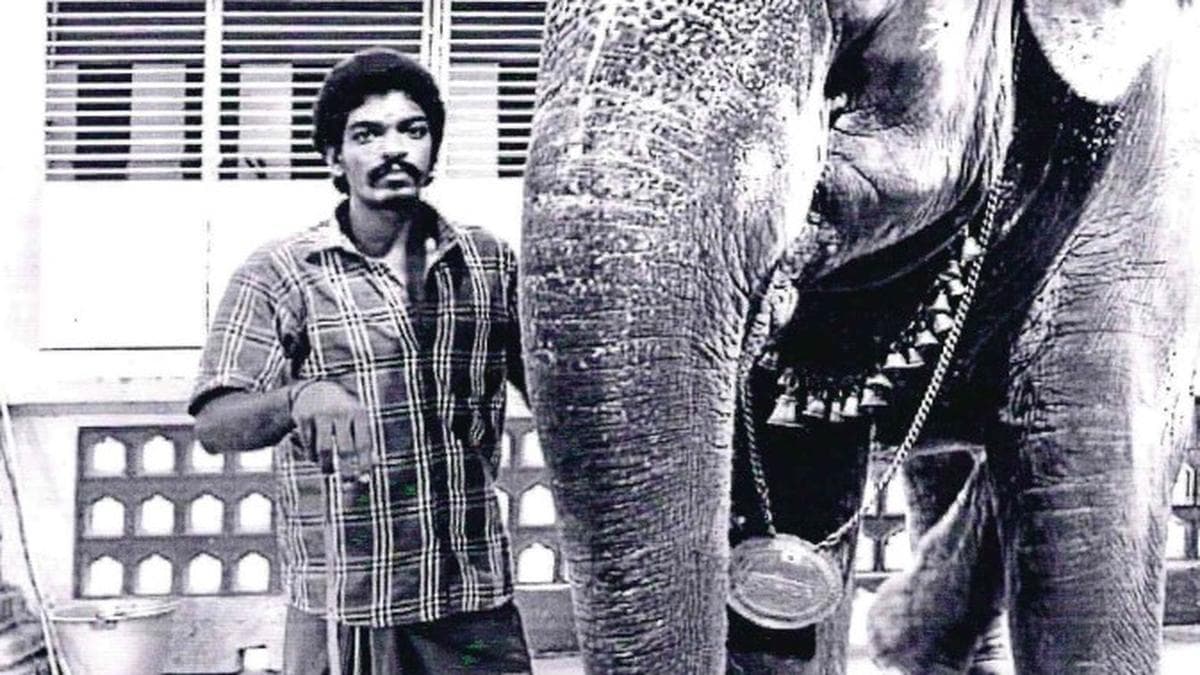
Justice V. Lakshminarayanan directs Principal Chief Conservator of Forests-cum-Chief Wildlife Warden to inspect a 2.94 acre facility created by the Mutt at Konerikuppam to house the pachyderms