



Relevant for Exams
AAI's Mumbai radar to be relocated for affordable housing, awaiting cabinet approval.
Summary
The Civil Aviation Ministry, led by Mr. Rammohan Naidu, will seek cabinet approval to relocate the Airports Authority of India (AAI)'s radar in Mumbai. This strategic move aims to free up valuable land for the development of affordable housing projects, addressing urban housing needs. The initiative highlights the government's focus on infrastructure optimization and leveraging land resources for social welfare, making it relevant for urban planning and governance topics in competitive exams.
Key Points
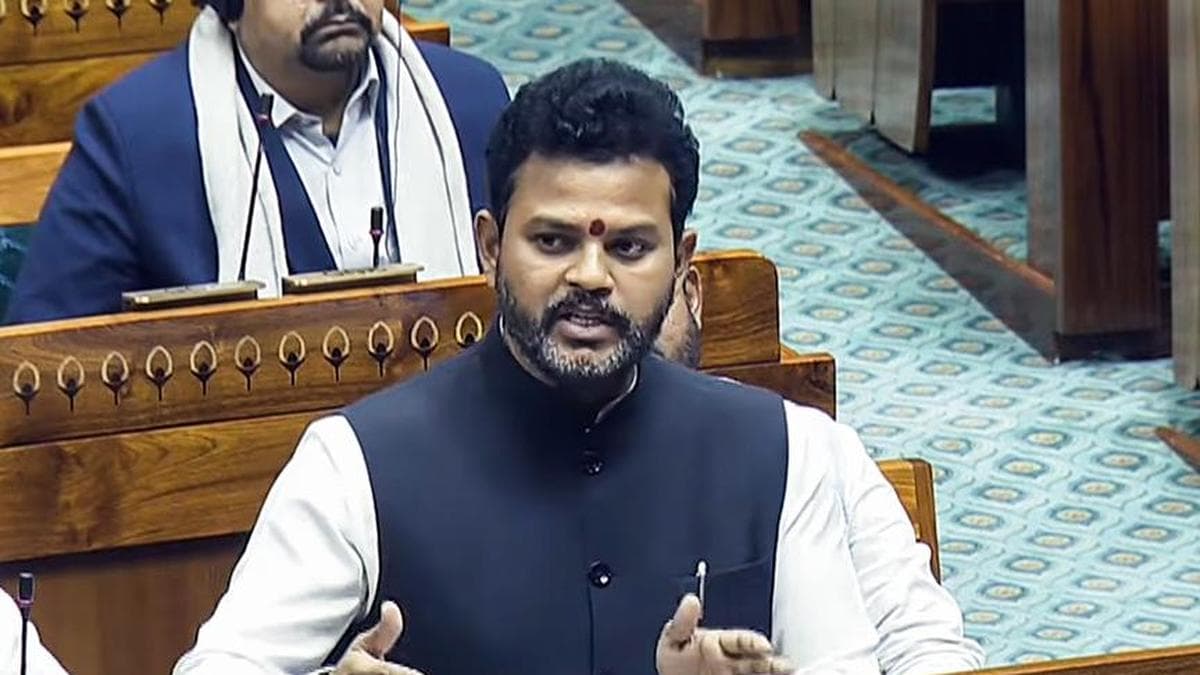
- 1Mr. Rammohan Naidu, Union Minister for Civil Aviation, announced the plan on Sunday.
- 2The Civil Aviation Ministry will seek cabinet approval for the relocation of the AAI's Mumbai radar.
- 3The primary objective is to free up land for the construction of affordable housing projects in Mumbai.
- 4The relocation aims to expedite the start of construction work on these housing projects.
- 5This initiative signifies a government effort to optimize existing infrastructure for urban development and housing.
In-Depth Analysis
Mumbai, India's financial capital, is synonymous with aspirations and opportunities, yet it grapples with an acute housing crisis, driven by its ever-growing population and severe land scarcity. The city's real estate is among the most expensive globally, making affordable housing an elusive dream for a significant portion of its inhabitants. This persistent challenge forms the critical background context for the recent announcement by the Union Minister for Civil Aviation, Mr. Rammohan Naidu.
What transpired is a strategic decision by the Civil Aviation Ministry to relocate the Airports Authority of India's (AAI) radar in Mumbai. This move is not merely an operational adjustment but a deliberate effort to unlock valuable land for public welfare. Mr. Naidu announced that the Ministry would soon seek cabinet approval for this relocation, aiming to expedite the commencement of construction work on affordable housing projects. The underlying objective is clear: to optimize existing governmental infrastructure and land assets to address the pressing social need for housing.
Several key stakeholders are involved in this initiative. The **Ministry of Civil Aviation**, under Mr. Naidu, is the primary initiator and facilitator of the radar relocation, ensuring aviation safety standards are maintained throughout the process. The **Airports Authority of India (AAI)**, a statutory body responsible for creating, upgrading, maintaining, and managing civil aviation infrastructure in India, is central to this, as it owns and operates the radar. Their technical expertise will be crucial for a seamless transition. The **Ministry of Housing and Urban Affairs** is a significant beneficiary and will likely play a pivotal role in the planning and implementation of the affordable housing schemes on the freed-up land. Local bodies like the **Mumbai Metropolitan Region Development Authority (MMRDA)** and the **Government of Maharashtra** will be instrumental in urban planning, land allocation, and project execution. Ultimately, the **citizens of Mumbai**, particularly those in need of affordable housing, are the primary beneficiaries of this governmental foresight.
This initiative holds profound significance for India. Firstly, it exemplifies innovative **urban planning and land use optimization**. In densely populated mega-cities like Mumbai, where vertical growth often outpaces horizontal expansion, repurposing existing governmental land for social housing is a crucial strategy. Secondly, it directly tackles the **affordable housing crisis**, a cornerstone of the government's 'Housing for All' vision, as enshrined in schemes like the Pradhan Mantri Awas Yojana (PMAY). Addressing this crisis improves living standards, reduces slum proliferation, and fosters social equity. Thirdly, it highlights **inter-ministerial coordination and effective governance**, demonstrating how different government departments can collaborate to achieve broader developmental goals. Economically, such projects can stimulate job creation in the construction sector and provide a fillip to the housing market's affordable segment.
Historically, India has grappled with rapid urbanization leading to housing shortages. Post-independence, various schemes like the Indira Awas Yojana (later revamped) and the current Pradhan Mantri Awas Yojana (launched in 2015, with a target to provide housing for all by 2022, a deadline that has seen continued efforts) reflect the sustained governmental focus on housing. The challenge of Mumbai's land prices has always been a bottleneck. This move signals a proactive approach to leverage public assets.
The future implications are substantial. If successfully implemented, this project could serve as a blueprint for other land-scarce Indian cities, encouraging similar re-evaluations of public land use. However, challenges remain, including the technical complexities and costs associated with relocating a critical aviation radar, ensuring environmental clearances, and maintaining transparency in the allocation of the new housing units. The success of this project will ultimately be measured by its ability to deliver quality, affordable homes in a timely manner. This move aligns with the broader theme of sustainable urban development and the government's commitment to improving the quality of life for its citizens.
From a constitutional perspective, while there's no direct article dictating radar relocation, the spirit of this move aligns with the **Directive Principles of State Policy (DPSP)**, particularly **Article 38**, which mandates the State to secure a social order for the promotion of welfare of the people, minimizing inequalities. **Article 39(b)** and **39(c)**, which deal with the equitable distribution of material resources and prevention of concentration of wealth, also resonate with the idea of utilizing public assets for collective good. Furthermore, the **74th Constitutional Amendment Act, 1992**, which empowers Urban Local Bodies with responsibilities including urban planning, slum improvement, and poverty alleviation (as listed in the Twelfth Schedule), provides the framework within which such housing projects would be managed at the local level. Policies like the **Pradhan Mantri Awas Yojana (PMAY)** provide the programmatic framework for affordable housing initiatives, making this relocation a tangible step towards achieving PMAY's objectives.
Exam Tips
This topic falls under GS Paper II (Governance, Social Justice, Urbanization) and GS Paper III (Indian Economy, Infrastructure) for UPSC. For SSC, Banking, and State PSCs, it's relevant for General Awareness sections covering Government Schemes, Current Affairs, and Indian Polity.
When studying, link this initiative to broader government schemes like Pradhan Mantri Awas Yojana (PMAY), Smart Cities Mission, and policies on urban development and land use. Understand the role of statutory bodies like AAI and their mandate.
Common question patterns include: 'Discuss the challenges of affordable housing in Indian mega-cities and how recent government initiatives are addressing them.' 'Analyze the significance of strategic land use optimization in urban development.' 'What are the constitutional provisions guiding the government's efforts in social welfare and housing?'
Pay attention to the specific ministries involved (Civil Aviation, Housing and Urban Affairs), the body (AAI), and the approval process (Cabinet approval). These details are often tested in objective-type questions.
Beyond the immediate news, research the technical aspects of air traffic control radar systems and the implications of their relocation on aviation safety and operations.
Related Topics to Study
Full Article
Mr. Naidu on Sunday said the Civil Aviation Ministry will seek cabinet approval for the relocation so that the construction work on such projects can start at the earliest