



Relevant for Exams
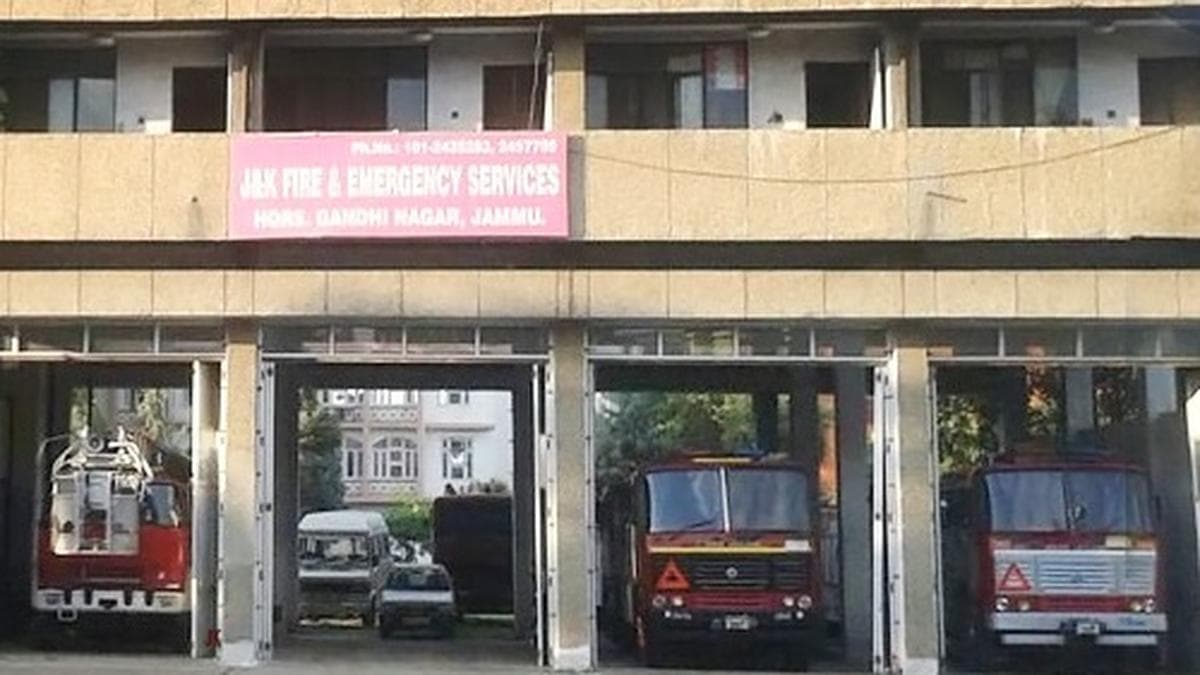
J&K terminates 103 firemen over recruitment scam involving OMR tampering and merit list manipulation.
Summary
Jammu and Kashmir terminated 103 firemen following an Anti-Corruption Bureau (ACB) inquiry that uncovered a compromised recruitment process. The investigation revealed large-scale OMR sheet tampering, fabricated scanned images of answer sheets, and illegal manipulation of the merit list. This incident underscores critical issues of integrity and transparency in public sector recruitment, making it relevant for understanding governance and anti-corruption efforts for competitive exams.
Key Points
- 1A total of 103 firemen were terminated from service.
- 2The terminations occurred in Jammu and Kashmir (J&K).
- 3The reason for termination was a "compromised process of recruitment" for firemen posts.
- 4An inquiry panel by the Anti-Corruption Bureau (ACB) found "large-scale OMR sheet tampering, fabricated scanned images of answer sheets and illegal manipulation of merit list."
- 5The incident highlights concerns regarding integrity and fairness in public sector recruitment processes.
In-Depth Analysis
The termination of 103 firemen in Jammu and Kashmir due to a 'compromised process of recruitment' unveils a critical breach of integrity and transparency within the public employment system. This incident, brought to light by an inquiry panel of the Anti-Corruption Bureau (ACB), points to large-scale OMR sheet tampering, fabricated scanned images of answer sheets, and illegal manipulation of the merit list. Such revelations are not isolated incidents but reflect a persistent challenge to fair governance and meritocracy in India.
The background context for such scams often involves a nexus of corrupt officials, unscrupulous coaching centers, and desperate aspirants. Public sector jobs, especially in regions like Jammu and Kashmir, are highly coveted due to job security, decent pay, and social status. This intense competition creates fertile ground for malpractices. Over the years, various states across India have grappled with similar recruitment scandals, from the infamous Vyapam scam in Madhya Pradesh to irregularities in state Public Service Commissions, eroding public trust and undermining the credibility of government institutions. The J&K administration, having recently undergone significant structural changes following the abrogation of Article 370 in August 2019 and its reorganization into a Union Territory, has emphasized good governance and transparency, making this scam particularly jarring.
Key stakeholders in this unfortunate episode include the Jammu and Kashmir administration, which is ultimately responsible for ensuring fair recruitment and public service delivery. The Anti-Corruption Bureau (ACB) acts as a crucial watchdog, tasked with investigating and exposing such malpractices. The recruitment agency responsible for conducting the examination (likely the J&K Services Selection Board or a similar body, though not explicitly named in the summary) is directly implicated, raising questions about its internal controls and accountability. The 103 terminated firemen are direct subjects of the action, and while the inquiry points to a compromised process, the extent of individual culpability among them would need to be thoroughly established. Most importantly, the general public and thousands of genuine aspirants are the ultimate victims, suffering from delayed opportunities, wasted efforts, and a profound sense of disillusionment.
This incident matters significantly for India on multiple fronts. Economically, recruitment scams lead to a misallocation of human resources, with unqualified individuals potentially occupying critical public service roles, thereby impacting efficiency and service delivery. The cost of conducting fresh examinations, investigations, and legal battles also drains state resources. Politically, such scams fuel public anger and distrust in the government, potentially leading to social unrest and calls for greater accountability. Socially, they undermine the principle of equal opportunity, fostering a sense of injustice among deserving candidates and pushing many towards despair or even illegal means. The ethical fabric of society is also compromised when merit takes a backseat to money or influence. The J&K case highlights the urgent need for robust, tamper-proof recruitment mechanisms.
From a historical perspective, India has a long history of administrative corruption. Post-independence, various committees and commissions have deliberated on administrative reforms, emphasizing integrity in public services. The current incident reiterates the persistent challenge. Constitutionally, the integrity of public recruitment is deeply rooted in the principles of equality and non-discrimination. Article 14 guarantees equality before the law, and Article 16 ensures equality of opportunity in matters of public employment. Any manipulation of the recruitment process directly violates these fundamental rights. Furthermore, Part XIV of the Indian Constitution (Articles 308-323) deals with 'Services under the Union and the States' and outlines the framework for Public Service Commissions (UPSC and SPSCs), emphasizing their role in fair selection. The Prevention of Corruption Act, 1988, provides the legal framework to prosecute public servants involved in corrupt practices, and its stringent application is crucial in such cases.
The future implications of this incident call for comprehensive reforms. There's an urgent need for the adoption of cutting-edge technology, such as secure online examination platforms, blockchain for record-keeping, and advanced biometric verification, to minimize human intervention and prevent tampering. Strengthening the investigative capabilities of agencies like the ACB and ensuring their autonomy are paramount. Furthermore, accountability must be fixed not just on those who benefit from the scam but also on the officials responsible for overseeing the recruitment process. Speedy judicial processes for such cases are essential to ensure justice and act as a deterrent. This incident should serve as a catalyst for a nationwide review of recruitment processes to restore faith in the merit-based system and uphold the sanctity of public service in India.
Exam Tips
This topic falls under 'Governance', 'Ethics, Integrity & Aptitude', and 'Indian Polity' sections of the UPSC Civil Services Syllabus (GS-II and GS-IV) and similar sections in State PSCs. For SSC, Banking, and Railway exams, it's relevant for 'General Awareness' and 'Current Affairs' sections, focusing on anti-corruption bodies and government policies.
Study related topics like the role and functions of anti-corruption bodies (CBI, CVC, Lokpal/Lokayukta), the Prevention of Corruption Act, 1988, e-governance initiatives for transparency, and constitutional provisions related to Public Service Commissions (Articles 315-323).
Common question patterns include analytical questions on the challenges of good governance, case studies on ethical dilemmas in public administration, objective questions on constitutional articles related to public services, and questions on government measures to combat corruption. Be prepared to discuss solutions and reforms.
Related Topics to Study
Full Article
ACB inquiry panel found “large-scale OMR sheet tampering, fabricated scanned images of answer sheets and illegal manipulation of merit list.