



Relevant for Exams
Pakistan forces kill three TTP terrorists in Khyber Pakhtunkhwa near Pak-Afghan border.
Summary
Pakistan's security forces conducted an operation in Khyber Pakhtunkhwa province, resulting in the killing of three Tehrik-i-Taliban Pakistan (TTP) terrorists. This counter-terrorism action, which occurred near the Pak-Afghan border in Bajaur district, underscores the persistent security challenges in the region. For competitive exams, this news is relevant for general awareness of international security, geographical locations of neighboring countries, and the activities of militant groups like TTP.
Key Points
- 1Pakistan security forces conducted an operation in Khyber Pakhtunkhwa province.
- 2Three terrorists belonging to the Tehrik-i-Taliban Pakistan (TTP) were killed.
- 3The operation took place in the Bajaur district of Khyber Pakhtunkhwa.
- 4The location of the operation was close to the Pak-Afghan border.
- 5The TTP (Tehrik-i-Taliban Pakistan) is a known militant organization operating in the region.
In-Depth Analysis
The recent operation by Pakistan's security forces in Khyber Pakhtunkhwa (KP) province, resulting in the killing of three Tehrik-i-Taliban Pakistan (TTP) terrorists near the Pak-Afghan border in Bajaur district, is a significant event that underscores the persistent and complex security challenges facing the region. For competitive exam aspirants, understanding this incident requires delving into its multi-faceted background, key stakeholders, and broader implications.
**Background Context and What Happened:**
Khyber Pakhtunkhwa, particularly its western districts bordering Afghanistan, has historically been a hotbed of militancy due to its rugged terrain, porous border, and the presence of various Pashtun tribal communities. This region, formerly known as the Federally Administered Tribal Areas (FATA), was merged with KP in 2018 to bring it under Pakistan's constitutional and administrative framework, a move aimed at mainstreaming these areas and curbing militancy. The Tehrik-i-Taliban Pakistan (TTP), often referred to as the 'Pakistani Taliban', is a conglomerate of various Islamist armed militant groups operating along the Afghan-Pakistan border. Formed in 2007, its primary objective is to overthrow the Pakistani government and impose its version of Sharia law. The TTP has been responsible for numerous deadly attacks across Pakistan, targeting civilians, security forces, and government installations. The specific operation in Bajaur district, close to the Pak-Afghan border, highlights the TTP's continued presence and operational capabilities in a region critical for both Pakistan's internal security and broader regional stability.
**Key Stakeholders Involved:**
1. **Pakistan Security Forces:** Primarily the Pakistan Army and Frontier Corps, they are at the forefront of counter-terrorism operations, aiming to eliminate militant threats and secure the border regions. Their actions reflect Pakistan's ongoing struggle against internal militancy.
2. **Tehrik-i-Taliban Pakistan (TTP):** The primary non-state actor involved, an insurgent group with an anti-Pakistan agenda. The TTP has seen a resurgence in its activities following the Afghan Taliban's takeover of Afghanistan in August 2021, reportedly finding safe havens and operational freedom across the border.
3. **Afghan Taliban:** Though not directly involved in this specific operation, the Afghan Taliban's return to power has significantly influenced the TTP. Pakistan accuses the Afghan Taliban of not doing enough to curb TTP activities on Afghan soil, leading to increased cross-border tensions.
4. **Local Populace:** The Pashtun communities living in these border areas are often caught in the crossfire, facing displacement, economic disruption, and the constant threat of violence from both militants and security operations.
**Why This Matters for India and Historical Context:**
For India, the instability in Pakistan's western border regions and the resurgence of groups like TTP have significant implications. India has long been a victim of cross-border terrorism originating from Pakistan. While TTP's primary focus is anti-Pakistan, a destabilized Pakistan could have several negative spillover effects for India. Increased radicalization, the potential for militant groups to shift focus or collaborate, and the overall deterioration of regional security are major concerns. Historically, the FATA region has been a sanctuary for various militant groups, including those that have targeted India. The post-9/11 'War on Terror' saw these areas become central to the global fight against extremism, with varying degrees of success. The current situation echoes earlier periods of high militancy, reminding us that regional security is interconnected.
**Future Implications and Broader Themes:**
The persistence of TTP activities poses a severe challenge to Pakistan's internal security and economic stability. It strains Pakistan's relations with Afghanistan and complicates regional counter-terrorism efforts. For India, this situation necessitates constant vigilance regarding border security and continued diplomatic engagement on counter-terrorism platforms. The incident highlights the broader theme of non-state actors' impact on international relations and internal security. It also underscores the complexities of border management and the challenge of establishing state writ in historically autonomous tribal regions. The future could see continued low-intensity conflict, increased cross-border tensions, and potential for renewed large-scale counter-terrorism operations. India's foreign policy, guided by principles of national security and regional stability (Article 51 of the Indian Constitution), will need to carefully navigate these developments.
**Related Constitutional Articles, Acts, or Policies:**
While this event is internal to Pakistan, India's approach to similar threats is governed by robust legal frameworks. The **Unlawful Activities (Prevention) Act (UAPA), 1967**, is India's principal anti-terrorism law, empowering the government to deal with terrorist and unlawful activities. The **National Investigation Agency (NIA) Act, 2008**, established a dedicated agency to investigate and prosecute offenses related to terrorism, demonstrating India's commitment to combating such threats. India's foreign policy also emphasizes non-interference and peaceful resolution while robustly countering cross-border terrorism, aligning with the spirit of international peace and security enshrined in **Article 51 of the Indian Constitution**.
Exam Tips
This topic falls under GS Paper 2 (International Relations, India and its neighborhood) and GS Paper 3 (Internal Security) for UPSC and State PSC exams. For SSC and Defence exams, it's relevant for General Awareness and Current Affairs.
Study the geographical locations mentioned (Khyber Pakhtunkhwa, Bajaur district, Pak-Afghan border) on a map. Understand the difference between TTP and the Afghan Taliban, and their respective objectives and areas of operation. Also, review India's counter-terrorism policy and legal framework (UAPA, NIA Act).
Common question patterns include: identifying militant groups and their areas of operation, analyzing the impact of regional instability on India's security, explaining the historical context of conflict in the Pak-Afghan border regions, and questions on India's legal provisions against terrorism.
Related Topics to Study
Full Article
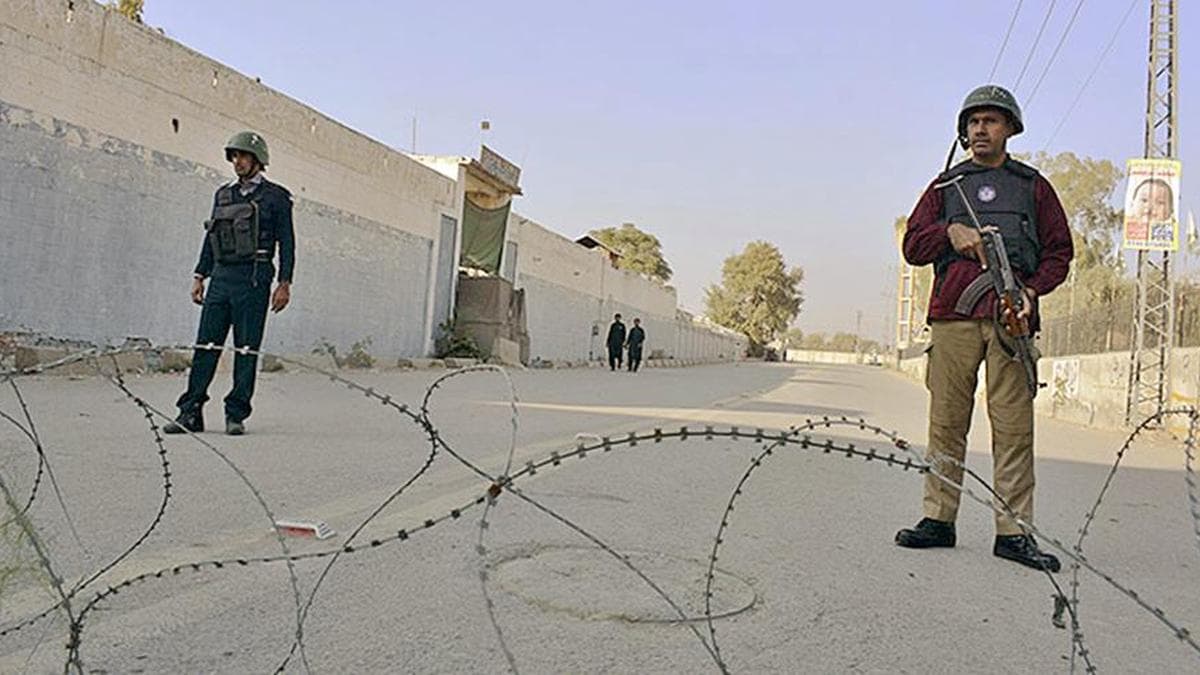
The operation was conducted in the area close to the Pak-Afghan border in Bajaur district after the reported presence of the terrorists