



Relevant for Exams
WB Governor C.V. Ananda Bose to report to Centre after visiting Salt Lake Stadium regarding Messi event issue.
Summary
An organiser of a Lionel Messi event in Kolkata has been remanded to police custody, prompting an enquiry committee visit to Salt Lake Stadium. West Bengal Governor C.V. Ananda Bose personally visited the stadium and announced he would submit a report to the Centre. This incident is significant for competitive exams as it underscores the Governor's constitutional role in overseeing state affairs and reporting to the Union Government, particularly in matters of public concern or alleged mismanagement, making it relevant for Polity and Current Affairs.
Key Points
- 1West Bengal Governor C.V. Ananda Bose visited the Salt Lake Stadium in Kolkata.
- 2The visit was in connection with an event involving footballer Lionel Messi.
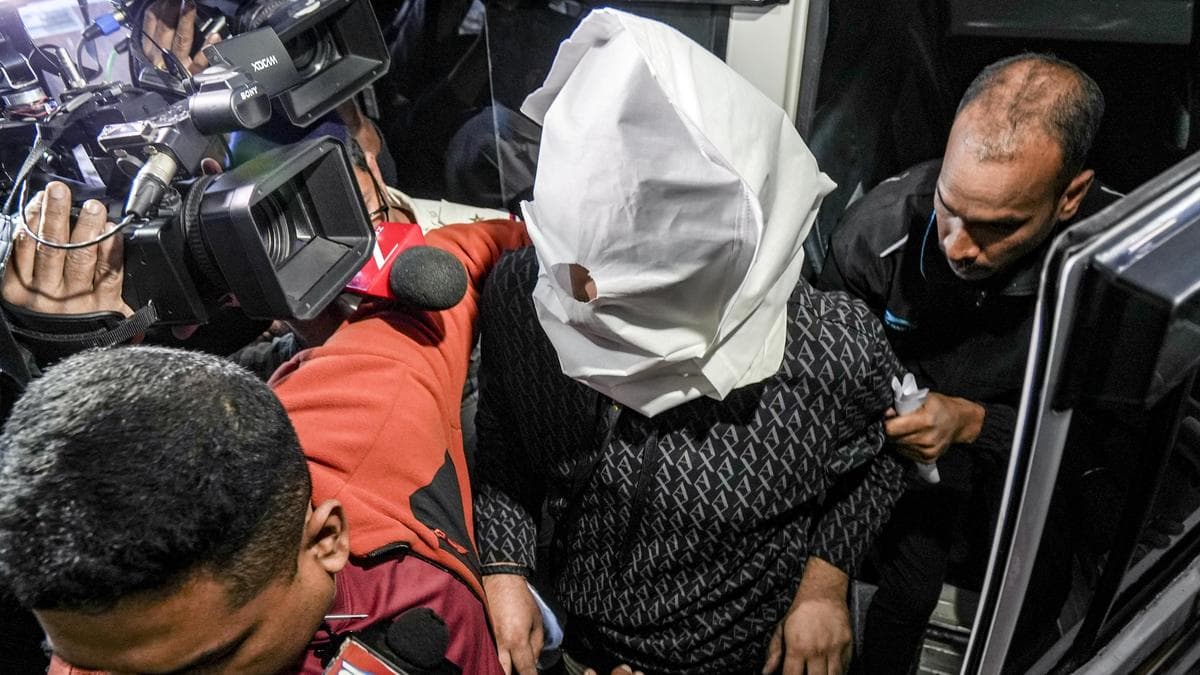
- 3An organiser related to the Messi event has been remanded to police custody.
- 4Members of an enquiry committee also visited the Salt Lake Stadium.
- 5Governor C.V. Ananda Bose stated he would send a report on the matter to the Centre.
In-Depth Analysis
The news surrounding an alleged Lionel Messi event in Kolkata, leading to an organizer's remand to police custody and the West Bengal Governor's direct intervention, offers a rich case study for understanding several critical aspects of Indian governance, particularly the role of the Governor and the dynamics of Centre-State relations. While the excitement around a potential visit by a global football icon like Lionel Messi would naturally generate significant public interest and economic opportunities, the subsequent controversy has shifted focus to issues of accountability and proper administration.
**Background Context and What Happened:**
The controversy stems from an alleged event involving Lionel Messi, which reportedly did not materialize as promised, leading to questions about financial irregularities and mismanagement. The specific details of the event and the nature of the alleged fraud are under investigation, but the arrest and remand of an organizer signal serious allegations. In response to this unfolding situation, West Bengal Governor C.V. Ananda Bose personally visited the iconic Salt Lake Stadium in Kolkata, the proposed venue. His visit was not merely symbolic; he actively engaged with the matter, indicating a high level of concern. Concurrently, an enquiry committee was also dispatched to the stadium, suggesting a multi-pronged approach to unearthing the facts. The Governor's most significant announcement was his intention to send a detailed report to the Centre, transforming a local event controversy into a matter of federal concern.
**Key Stakeholders Involved:**
Several crucial stakeholders are involved in this incident. Firstly, **West Bengal Governor C.V. Ananda Bose** is at the forefront, exercising his constitutional prerogative. His actions underscore the proactive role a Governor can play in matters of public concern. Secondly, the **State Police** is a key player, as evidenced by the arrest and remand of the event organizer, indicating the legal and law enforcement dimension of the issue. Thirdly, the **Event Organizers** themselves, particularly the individual in police custody, are central to the alleged irregularities. Fourthly, the **West Bengal State Government** is implicitly a stakeholder, as the incident occurred within its jurisdiction and could reflect on its administrative oversight and capacity to regulate large public events. Finally, the **Union Government** becomes a stakeholder once the Governor submits his report, potentially leading to central scrutiny or intervention, depending on the report's findings.
**Why This Matters for India:**
This incident is significant for India on multiple fronts. Politically, it highlights the **constitutional role of the Governor** as an agent of the Centre and the nominal head of the state. The Governor's decision to report to the Centre, as per constitutional provisions, can sometimes be perceived as a central oversight function, particularly in states where the ruling party differs from that at the Centre. This can have implications for **Centre-State relations**, potentially adding another layer of tension or cooperation. Economically, the alleged mismanagement of a high-profile event involving an international celebrity raises concerns about **transparency and accountability in event management**. Such incidents can deter future international collaborations or investments if public trust is eroded. Socially, it impacts public morale and trust in event organizers and, by extension, the governmental bodies responsible for oversight, especially when the aspirations of fans are exploited.
**Historical Context and Constitutional Provisions:**
Historically, the Governor's office has often been a point of debate in Centre-State relations, particularly since independence. Governors, appointed by the President (Article 155) and holding office during the President's pleasure (Article 156), act as a crucial link. Their duties include upholding the Constitution and laws in the state (Article 159). The power to send reports to the President, as mentioned by Governor Bose, is implicitly linked to the Governor's duty to keep the President informed about the state of affairs in the state. While Article 356 (President's Rule) is the most prominent context for such reports, the Governor's general duty to inform the Centre about significant developments is a standard practice. Article 167 outlines the duties of the Chief Minister to furnish information to the Governor, implying the Governor's right to seek and report on such information. This incident underscores the Governor's proactive role, going beyond ceremonial duties to address matters of public concern and potential malfeasance.
**Future Implications:**
The immediate future will likely see further investigations into the alleged fraud and mismanagement. The Governor's report to the Centre could prompt various responses: from a mere acknowledgment to a more detailed central inquiry, depending on the severity of the findings. This could also lead to greater scrutiny of event management policies and regulatory frameworks at the state level, potentially leading to reforms to ensure greater transparency and accountability for large public events. Politically, the incident could become a point of discussion between the state government and the Centre, influencing their ongoing relationship. For the public, it reinforces the need for due diligence and caution when engaging with large-scale events, especially those involving significant financial transactions or public participation. Ultimately, the outcome will shape perceptions of governance effectiveness and the robustness of regulatory mechanisms in India.
Exam Tips
This topic primarily falls under 'Indian Polity and Governance' (UPSC GS Paper II, State PSCs) and 'Current Affairs' (all competitive exams). Focus on the constitutional role and powers of the Governor.
Study related topics such as Centre-State relations, the appointment and removal of the Governor, discretionary powers of the Governor, and the implications of Article 356 (President's Rule) to understand the broader context of the Governor's reports to the Centre.
Expect questions that are factual (e.g., 'Who appoints the Governor?'), analytical (e.g., 'Discuss the role of the Governor in maintaining Centre-State balance.'), and application-based (e.g., 'Analyze the constitutional implications of a Governor reporting on alleged mismanagement in a state.').
Related Topics to Study
Full Article
West Bengal Governor C.V. Ananda Bose also visited Salt Lake Stadium and said that he will send a report to the Centre