



Relevant for Exams
Study: Avg. age of drug/smoking initiation among school children in 10 Indian cities is 13 years.
Summary
A recent study revealed that school-going children in 10 Indian cities are picking up drug and smoking habits at an average age of around 13 years. This finding highlights a critical public health and social issue concerning early substance abuse among youth. Despite 95% of children acknowledging drug use as harmful, the early initiation underscores the urgent need for targeted awareness and intervention programs. This is significant for topics like social issues, public health, and child welfare in competitive exams.
Key Points
- 1The average age for school-going children to initiate drug and smoking habits is approximately 13 years.
- 2This study was conducted across 10 different Indian cities, indicating a widespread urban issue.
- 3A significant 95% of the surveyed children, irrespective of their grade, agreed that 'drug use is harmful'.
- 4The study specifically focused on 'school-going children' as the target demographic for its analysis.
- 5The findings highlight a critical public health challenge concerning early substance abuse among India's youth.
In-Depth Analysis
The recent study highlighting that school-going children in 10 Indian cities are initiating drug and smoking habits at an average age of 13 years is a stark reminder of a deepening public health and social crisis. This alarming trend, coupled with the paradox that 95% of these children acknowledge the harm caused by drug use, underscores the urgent need for comprehensive intervention strategies. It's a critical issue for a nation poised to leverage its demographic dividend, as substance abuse among youth can severely cripple India's future potential.
Historically, substance abuse in India has evolved from traditional practices, often involving cannabis or opium in specific cultural or rural contexts, to a more widespread, urban phenomenon driven by modern pressures and accessibility of various substances, including synthetic drugs, inhalants, and tobacco products. The rapid urbanization, breakdown of traditional joint family structures, increased disposable income, peer pressure, and exposure to global trends through media and the internet have all contributed to this shift. A lack of adequate parental supervision due to working parents, academic stress, and mental health issues like anxiety and depression also serve as significant push factors for early experimentation with drugs and smoking.
**Key Stakeholders and Their Roles:**
1. **Children and Youth:** The primary demographic affected. They are both victims and, if empowered, can be agents of change through peer education and awareness.
2. **Parents and Families:** Crucial as the first line of defense. Their role involves monitoring, open communication, providing a supportive environment, and seeking help when needed. Lack of awareness among parents about early signs of substance abuse is a major challenge.
3. **Schools and Educators:** Beyond academic instruction, schools are vital platforms for early detection, prevention, and intervention programs. Teachers often spend significant time with children and can identify behavioral changes. Implementing life skills education and counseling services is paramount.
4. **Government (Central and State):** Ministries of Health and Family Welfare, Social Justice and Empowerment, Women and Child Development, and Education are key. They are responsible for policy formulation, fund allocation, public awareness campaigns (like the ‘Nasha Mukt Bharat Abhiyaan’ launched in 2020), establishing de-addiction and rehabilitation centers, and training professionals. Law enforcement agencies, particularly the Narcotics Control Bureau (NCB) and state police, play a crucial role in curbing the supply chain of illicit drugs under the Narcotic Drugs and Psychotropic Substances (NDPS) Act, 1985.
5. **Civil Society Organizations (NGOs):** These organizations often work at the grassroots level, providing counseling, rehabilitation, and awareness programs, filling critical gaps left by government services.
6. **Medical and Mental Health Professionals:** Essential for diagnosis, treatment of addiction, and addressing underlying mental health issues that often co-occur with substance abuse.
**Significance for India:**
This issue holds profound significance for India across multiple dimensions. Economically, a generation lost to addiction translates to a significant loss of human capital, reduced productivity, increased healthcare expenditure, and a diminished demographic dividend. Socially, it leads to increased crime rates, family disintegration, mental health crises, and a compromised social fabric. Politically, it puts pressure on governance to formulate effective policies, enforce laws, and allocate resources to combat the problem. The long-term health implications, including higher risks of non-communicable diseases like cancer, cardiovascular diseases, and chronic respiratory illnesses, will strain India's already overburdened public health system.
**Constitutional and Legal Framework:**
India's Constitution provides a guiding framework. **Article 47** of the Directive Principles of State Policy (DPSP) mandates that the State shall endeavor to bring about prohibition of the consumption, except for medicinal purposes, of intoxicating drinks and of drugs which are injurious to health. While not enforceable by courts, it serves as a fundamental principle for governance. The **Narcotic Drugs and Psychotropic Substances (NDPS) Act, 1985**, is the principal legislation controlling drug abuse and trafficking. Additionally, the **Juvenile Justice (Care and Protection of Children) Act, 2015**, includes provisions for the care and protection of children in need, which covers those affected by substance abuse, ensuring their rehabilitation and reintegration. The **Cigarettes and Other Tobacco Products Act (COTPA), 2003**, aims to regulate tobacco product consumption, including sales to minors. The **National Policy on Drug Demand Reduction (NPDDR), 2019**, further outlines a strategy to address drug abuse through a multi-pronged approach encompassing education, awareness, treatment, and rehabilitation.
**Future Implications:**
If left unchecked, this trend could lead to a severe public health catastrophe, affecting the nation's productivity and social stability. The future demands a robust, integrated approach combining prevention, early intervention, treatment, and rehabilitation. This includes strengthening school-based prevention programs, enhancing access to mental health services for adolescents, launching targeted awareness campaigns that resonate with youth, and tightening law enforcement against drug peddlers, especially those targeting school zones. Leveraging technology for awareness and providing anonymous support channels could also be effective. India's ability to safeguard its youth from the clutches of substance abuse will be pivotal in determining its trajectory as a global power.
Exam Tips
This topic falls under 'Social Issues', 'Public Health', and 'Governance' in UPSC GS Paper 1 and 2. For SSC/State PSCs, it's relevant for General Awareness and Essay writing.
Study related topics like the Narcotic Drugs and Psychotropic Substances (NDPS) Act, 1985, Juvenile Justice (Care and Protection of Children) Act, 2015, and the National Policy on Drug Demand Reduction (NPDDR), 2019, in detail. Understand their key provisions and objectives.
Prepare for analytical questions asking about the causes, consequences, and solutions to drug abuse among youth. Also, expect questions on the role of various stakeholders (government, NGOs, family, schools) and constitutional provisions related to public health and child welfare.
Related Topics to Study
Full Article
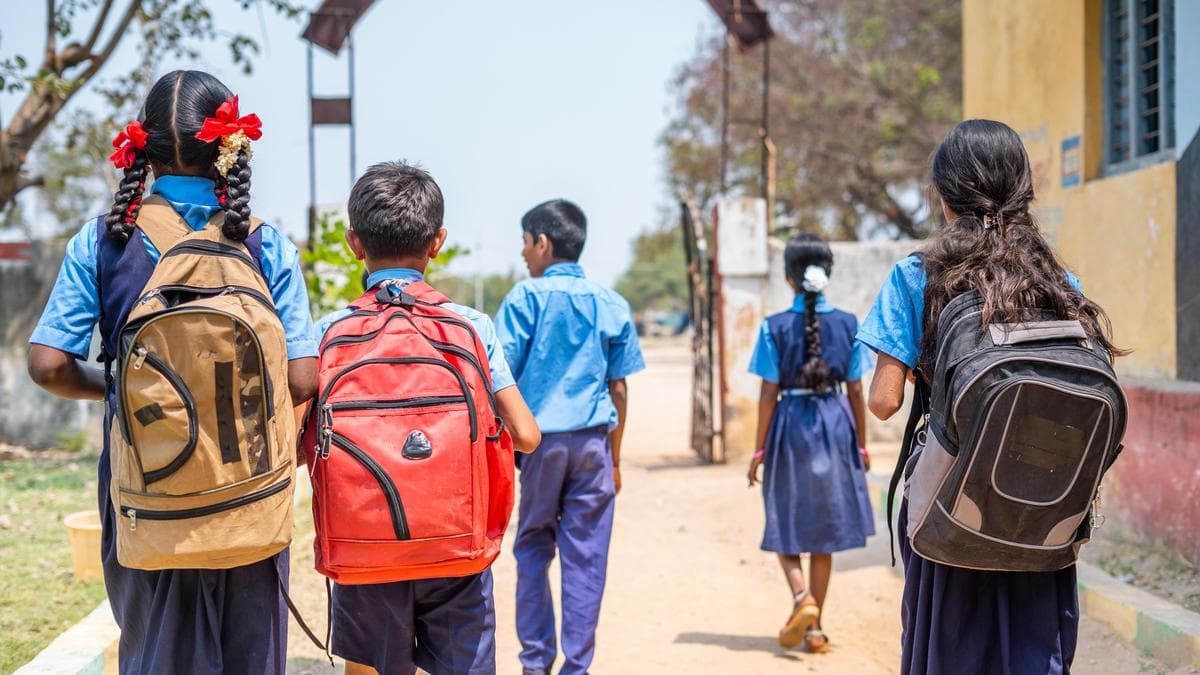
About 95 % of the children, irrespective of their grade, agreed with the statement that 'drug use is harmful'