



Relevant for Exams
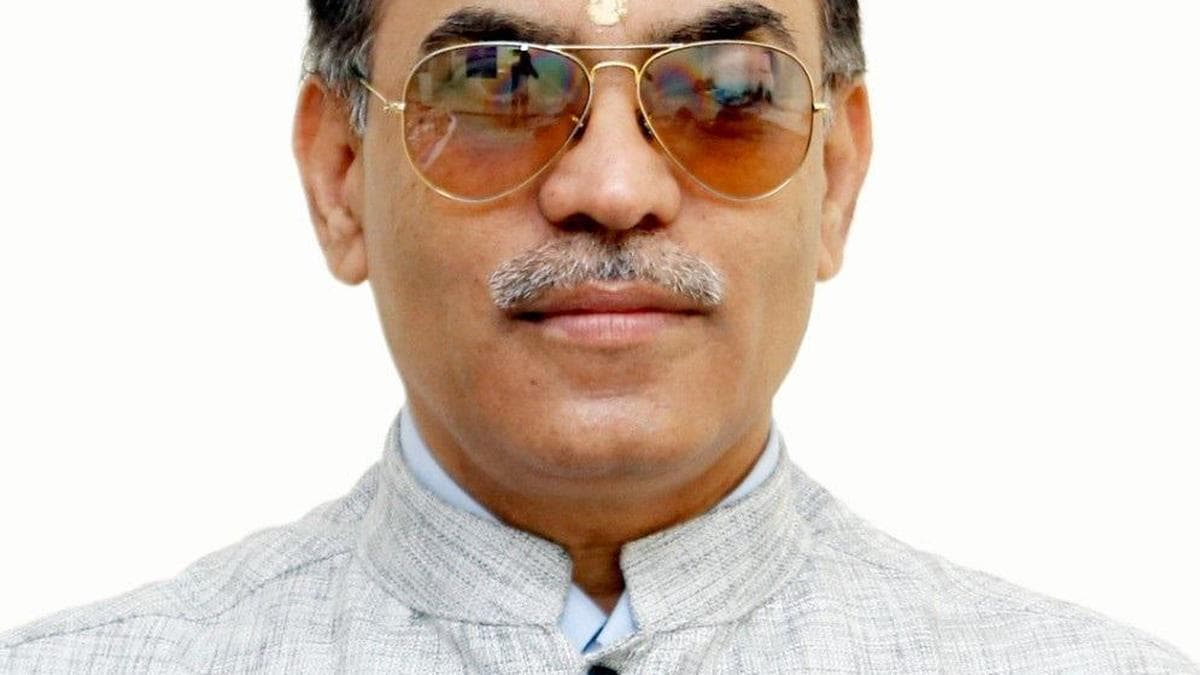
Sangappa nominated as Executive Council Member of Visvesvaraya Technological University.
Summary
Sangappa's nomination as an Executive Council Member of Visvesvaraya Technological University signifies a routine administrative appointment within a state-level educational institution. This event is primarily relevant for state-specific competitive exams, particularly those testing knowledge of higher education administration. It reflects the ongoing governance changes in state universities.
Key Points
- 1The individual nominated for the position is Sangappa.
- 2The specific position is Executive Council Member.
- 3The nomination is for Visvesvaraya Technological University (VTU).
- 4Visvesvaraya Technological University (VTU) is a prominent state technological university in India.
- 5The news pertains to an administrative appointment within the higher education sector.
In-Depth Analysis
The nomination of Sangappa as an Executive Council Member of Visvesvaraya Technological University (VTU) might appear to be a routine administrative appointment, but it offers a valuable lens through which to understand the intricate governance of higher education institutions in India, especially state-level technical universities. This event, while specific to Karnataka, reflects broader themes of academic administration, policy implementation, and the crucial role of statutory bodies in shaping the future of technical education in the country.
**Background Context and What Happened:**
Visvesvaraya Technological University (VTU), established in 1998, is a prominent state university in Karnataka, India, affiliating a vast number of engineering colleges across the state. It plays a pivotal role in standardizing technical education, conducting examinations, and awarding degrees. Like most state universities, VTU operates under a specific Act passed by the state legislature (the Visvesvaraya Technological University Act, 1998). This Act defines its structure, powers, and the composition of its various statutory bodies, including the Executive Council. The Executive Council is one of the principal executive bodies of the university, responsible for general superintendence and control over the affairs of the university, its finances, administration, and academic policies. Its members are typically a mix of ex-officio members (like the Vice-Chancellor, Secretaries of relevant government departments), nominated members (often by the Chancellor or State Government), and elected members. Sangappa's nomination signifies an appointment to this crucial decision-making body, indicating a new individual joining the ranks responsible for the university's strategic direction and day-to-day governance.
**Key Stakeholders Involved:**
Several key stakeholders are involved in such appointments and the overall functioning of a state university. Firstly, the **Governor of Karnataka** acts as the Chancellor of all state universities in the state, holding significant powers including the power to nominate members to statutory bodies like the Executive Council. This constitutional role underscores the state's ultimate oversight. Secondly, the **Karnataka State Government**, particularly its Higher Education Department, plays a critical role in policy formulation, funding, and often in recommending or approving nominations. Thirdly, the **Vice-Chancellor and the existing VTU administration** are central to the university's functioning, working in tandem with the Executive Council. Finally, **Sangappa**, as the nominated member, brings their expertise and perspective to the council, influencing decisions that affect thousands of students and faculty. The broader academic community, including **faculty, students, and industry partners**, are indirect but crucial stakeholders, as the quality of governance directly impacts their educational and professional outcomes.
**Significance for India and Historical Context:**
The effective governance of state universities like VTU is paramount for India's development trajectory. Historically, post-independence India saw a massive expansion of higher education, with state universities being the backbone of this growth, especially in technical fields. These institutions were tasked with producing a skilled workforce essential for industrialization and nation-building. However, challenges such as quality control, outdated curricula, and governance issues have plagued many institutions. Appointments to bodies like the Executive Council are crucial because they determine the university's ability to adapt to changing industrial needs, promote research, ensure academic integrity, and align with national educational goals. For instance, the **National Education Policy (NEP) 2020** heavily emphasizes governance reforms, greater autonomy coupled with accountability, and the creation of multidisciplinary institutions. Effective Executive Councils are vital for implementing these reforms on the ground, ensuring that universities are not just degree-granting bodies but centers of innovation and excellence.
**Related Constitutional Articles, Acts, and Policies:**
Education, including universities, falls primarily under the **Concurrent List** (Entry 25 of List III, Seventh Schedule) of the Indian Constitution, meaning both the Union and State governments can legislate on it. However, state universities are primarily governed by **State University Acts**, like the Visvesvaraya Technological University Act, 1998, passed by the respective state legislatures. The Governor's role as Chancellor is often enshrined in these Acts, deriving authority from the state legislative framework, and their assent to such bills is covered under **Article 200** of the Constitution. The **National Education Policy 2020** is a crucial policy framework that guides reforms in higher education, advocating for holistic and multidisciplinary education, light but tight regulation, and improved governance structures, which directly impacts the roles and responsibilities of university bodies like the Executive Council. Bodies like the **University Grants Commission (UGC)** and the **All India Council for Technical Education (AICTE)**, established under central acts, also play a regulatory and standard-setting role for universities across the country.
**Future Implications:**
Sangappa's nomination, along with other similar appointments, holds implications for VTU's future trajectory. A well-constituted and effective Executive Council can drive significant improvements in curriculum development, faculty recruitment, research funding, infrastructure development, and overall academic quality. It can facilitate the adoption of NEP 2020 recommendations, fostering multidisciplinary learning environments and promoting industry-academia collaboration. Conversely, an ineffective council can hinder progress, leading to stagnation. The quality of these administrative appointments directly impacts the university's ability to produce employable graduates, contribute to research and innovation, and ultimately bolster India's human capital and economic competitiveness. The ongoing challenge for state universities is to balance academic autonomy with governmental accountability, ensuring that governance bodies are free from undue political interference and prioritize academic excellence and student welfare.
Exam Tips
**Syllabus Section:** This topic falls under 'Indian Polity & Governance' (UPSC Mains GS-II, State PSCs General Studies) and 'Higher Education Administration' (relevant for teaching exams, State PSCs). Focus on the structure and functioning of statutory bodies in universities.
**Related Topics to Study:** Understand the roles and powers of the Governor as Chancellor of state universities, the functions of the University Grants Commission (UGC) and All India Council for Technical Education (AICTE), and the key provisions of the National Education Policy (NEP) 2020 regarding university governance.
**Common Question Patterns:** Expect questions on the composition and functions of university executive bodies (e.g., Executive Council, Senate, Syndicate), the relationship between state governments and state universities, the impact of policy frameworks like NEP 2020 on higher education governance, and the constitutional provisions related to education (Concurrent List, Governor's role).