



Relevant for Exams
Kerala local body poll results signal political shift, says BJP leader Prakash Javadekar.
Summary
BJP leader Prakash Javadekar commented on the Kerala local body poll results, particularly highlighting the outcome in Thiruvananthapuram Corporation. He stated these results signal a significant shift in Kerala politics, calling them "not an ordinary result." This indicates a potential change in the political landscape of the state, relevant for understanding regional political dynamics and political parties' strategies.
Key Points
- 1BJP leader Prakash Javadekar commented on the Kerala local body poll results.
- 2He specifically referred to the outcome in the Thiruvananthapuram Corporation.
- 3Javadekar described the results as "not an ordinary result."
- 4He stated that the results signal a "shift in Kerala politics."
- 5The comments were made in the context of local body elections in Kerala.
In-Depth Analysis
Local body elections, often overlooked in the national political discourse, serve as a crucial barometer of grassroots sentiment and the evolving political landscape. The statement by BJP leader Prakash Javadekar, highlighting the Kerala local body poll results, particularly in the Thiruvananthapuram Corporation, as a "not an ordinary result" and a signal of a "shift in Kerala politics," underscores the increasing significance of these local contests. This analysis delves into the background, implications, and constitutional underpinnings of such political developments.
Kerala has historically been characterized by a unique bipolar political system, primarily dominated by two major fronts: the Left Democratic Front (LDF), led by the Communist Party of India (Marxist) [CPI(M)], and the United Democratic Front (UDF), led by the Indian National Congress. These fronts have alternately governed the state for decades, creating a political equilibrium where national parties like the BJP have struggled to gain significant electoral traction. Despite having a strong national presence, the BJP's attempts to penetrate Kerala's political fabric have largely been met with resistance, with its vote share remaining relatively low and its electoral victories confined to a handful of seats in state assembly and parliamentary elections.
What happened in the recent local body elections, particularly in Thiruvananthapuram, prompted Javadekar's remarks. While the specific numbers are not provided in the summary, the BJP's leadership perceived a significant improvement in their performance, suggesting inroads into areas traditionally held by either the LDF or UDF. Thiruvananthapuram, being the state capital and a major urban center, holds symbolic importance. A strong performance here indicates a potential shift in urban voter preferences and could signal a broader acceptance of the BJP's ideology and agenda in the state. This perceived gain, even if not leading to outright control in many bodies, is seen by the BJP as an affirmation of its long-term strategy to expand its footprint in southern India.
Key stakeholders in this political development include the BJP, which is actively seeking to break the LDF-UDF duopoly; the LDF and UDF, who must now recalibrate their strategies to counter the BJP's growing presence; and the voters of Kerala, whose changing preferences are driving these shifts. The State Election Commission, established under constitutional provisions, plays a vital role in conducting these free and fair elections, ensuring the democratic process at the local level.
This development holds significant implications for India's political landscape. Firstly, it highlights the BJP's persistent efforts to become a pan-Indian party, extending its influence beyond its traditional strongholds in the Hindi belt and western India. Success, even partial, in a culturally and politically distinct state like Kerala, can embolden its national strategy. Secondly, it underscores the importance of local self-governance. The 73rd and 74th Constitutional Amendment Acts of 1992 were pivotal in institutionalizing Panchayati Raj Institutions (rural local bodies) and Urban Local Bodies, respectively. These amendments, which came into force in 1993, mandated the establishment of elected local governments, devolution of powers, and regular elections. Articles 243K and 243ZA specifically empower the State Election Commission to conduct these elections. These local bodies are crucial for decentralized governance, bringing administration closer to the people and addressing local issues effectively. A shift in the political composition of these bodies can directly impact local development priorities and resource allocation.
Historically, Kerala's politics has been shaped by strong social movements, high literacy rates, and a unique socio-economic model. The BJP's gradual increase in vote share over the past two decades, although slow, indicates a persistent effort to appeal to various sections of society, often leveraging cultural nationalism and issues like Sabarimala. This electoral performance, even if modest, suggests that the BJP's narrative is finding resonance among some segments of the electorate, challenging the established political narratives of the LDF and UDF.
The future implications are multifaceted. A stronger BJP presence could lead to a more triangular contest in future state assembly elections, potentially altering electoral outcomes and coalition dynamics. It would compel both the LDF and UDF to rethink their strategies, possibly leading to intensified campaigns, new alliances, or a greater focus on governance and local issues to counter the BJP's growth. For the BJP, sustained performance in local body polls could be a stepping stone towards achieving its long-cherished goal of establishing a significant presence in Kerala's legislative assembly and potentially parliament. This shift could also bring national political narratives more strongly into state-level elections, further integrating Kerala into the broader national political discourse, while potentially raising concerns about the unique socio-political fabric of the state.
Exam Tips
This topic falls under 'Indian Polity and Governance' (UPSC Mains GS-II, State PSCs). Focus on the structure, functioning, and significance of local self-governing bodies.
Study the 73rd and 74th Constitutional Amendment Acts (1992) in detail. Understand the provisions for Panchayati Raj Institutions and Urban Local Bodies, including their powers, functions, and the role of the State Election Commission (Articles 243-K, 243-ZA).
Analyze the broader theme of federalism and decentralization in India. Questions often compare the roles of central, state, and local governments, and the challenges faced by local bodies. Be prepared to discuss the political significance of local election results for state and national politics.
Common question patterns include: 'Discuss the constitutional provisions for local self-governance in India. How do local body election results reflect the changing political dynamics of a state?' or 'Analyze the challenges faced by national parties in expanding their base in states with strong regional political traditions, using examples.'
Relate the political developments to socio-economic factors. Kerala's unique demographic and social indicators often influence its political outcomes. Be ready to discuss how these factors interact with electoral politics.
Related Topics to Study
Full Article
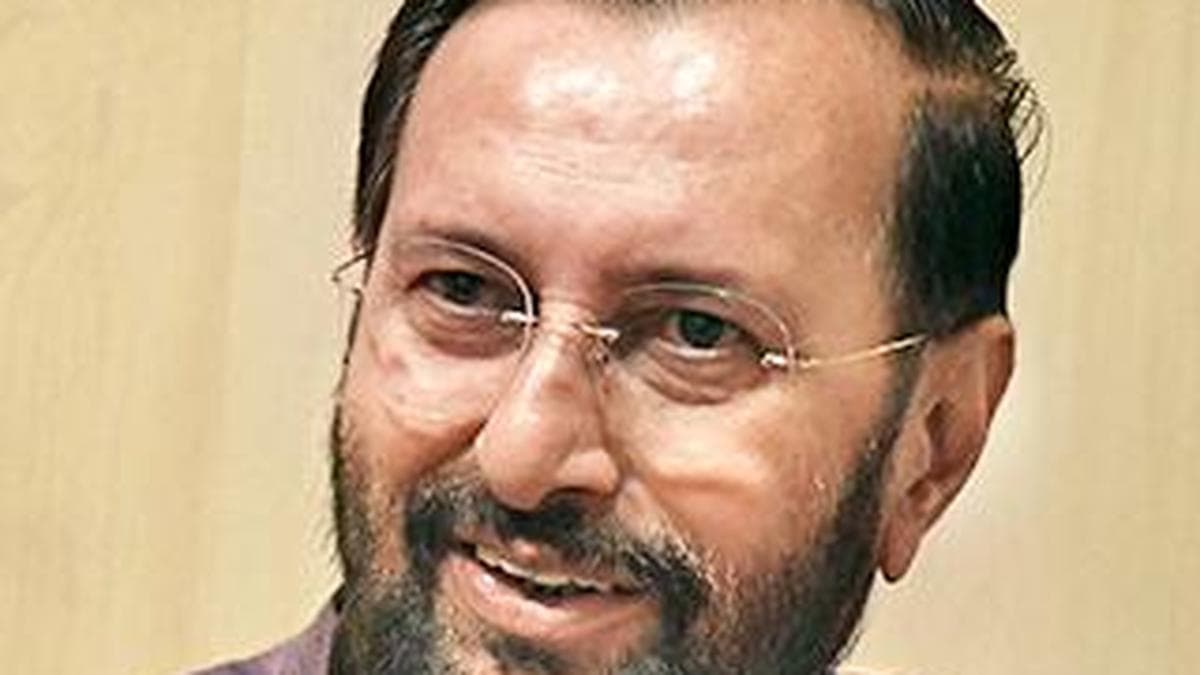
Mr. Javadekar said the outcome in the Thiruvananthapuram Corporation was “not an ordinary result”