



Relevant for Exams
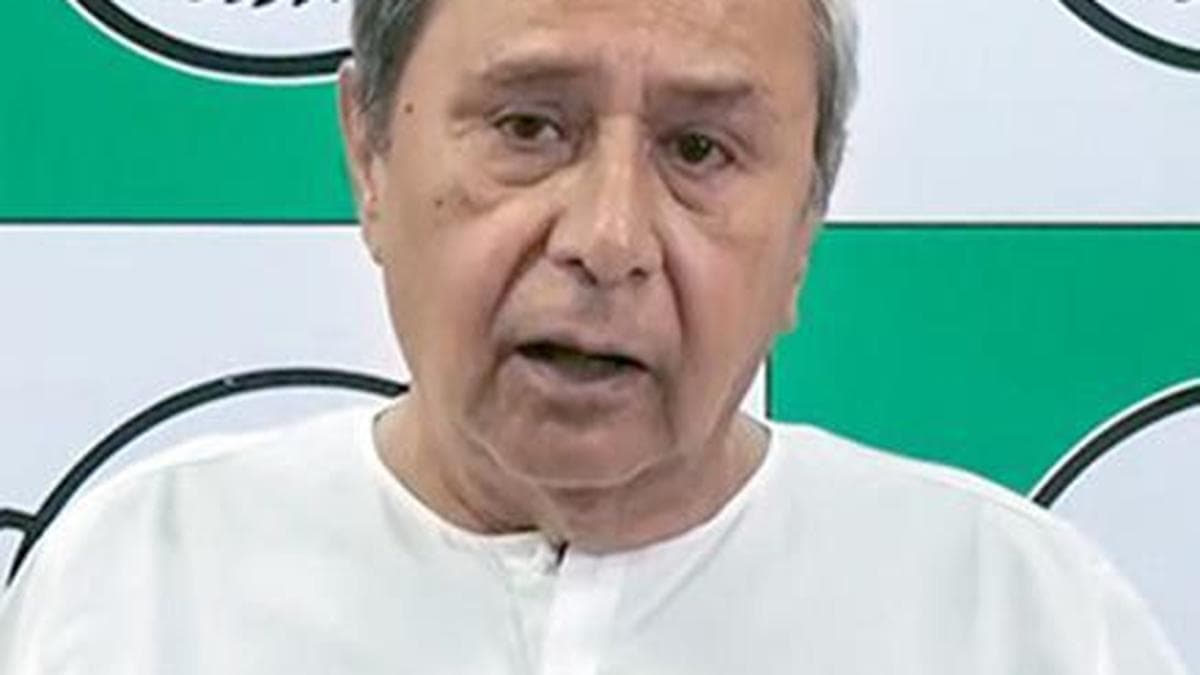
Former Odisha CM Naveen Patnaik forgoes tripled salary hike approved by State Assembly.
Summary
The Odisha Legislative Assembly recently passed a bill to increase the salaries of its MLAs and ministers by three-folds. Former Chief Minister Naveen Patnaik announced his decision to forgo this hiked salary, setting an example of public service. This event is significant for competitive exams as it highlights legislative processes at the state level and ethical conduct by prominent political figures, particularly relevant for state-specific current affairs and governance questions.
Key Points
- 1The Odisha Legislative Assembly recently passed a bill to increase salaries.
- 2The salary hike specifically applied to MLAs and ministers in Odisha.
- 3The increase in salaries approved by the bill was by three-folds.
- 4Former Chief Minister of Odisha, Naveen Patnaik, publicly declared his decision to forgo the newly hiked salary.
- 5This legislative development and the former CM's announcement occurred in the state of Odisha.
In-Depth Analysis
The recent decision by the Odisha Legislative Assembly to significantly increase the salaries of its Members of Legislative Assembly (MLAs) and ministers by three-folds, followed by former Chief Minister Naveen Patnaik's announcement to forgo this hike, presents a compelling case study in Indian governance, political ethics, and public finance. This event is not merely a local incident but resonates with broader debates concerning the remuneration of public representatives across the country.
**Background Context:** In India's parliamentary democracy, elected representatives are entitled to salaries and allowances to perform their duties. Periodically, state legislatures and the Parliament review and revise these emoluments. The rationale often cited for such hikes includes inflation, the rising cost of living, the need to attract talented individuals to public service, and ensuring that legislators are not susceptible to corruption due to inadequate compensation. However, these revisions are frequently met with public scrutiny, especially when they appear substantial or are perceived as self-serving. The process typically involves a bill introduced in the respective legislative body, which, upon passage, becomes an Act. Historically, such revisions are often passed with little opposition across party lines, reflecting a general consensus among legislators regarding their own compensation.
**What Happened:** The Odisha Legislative Assembly recently passed a bill sanctioning a three-fold increase in the salaries and allowances of its MLAs and ministers. This legislative action reflects the collective decision of the state's elected representatives to enhance their financial benefits. Following this, Naveen Patnaik, who had served as the Chief Minister of Odisha for an unprecedented five consecutive terms (2000-2024) and is a prominent political figure, publicly declared his intention to forgo the newly hiked salary. His decision was framed as an act of public service and a commitment to austerity, especially given his long-standing image as a leader focused on good governance and fiscal prudence.
**Key Stakeholders Involved:**
1. **Odisha Legislative Assembly:** The primary legislative body responsible for enacting laws, including those pertaining to the emoluments of its members and ministers. Its collective decision to pass the salary hike bill is central to this event.
2. **MLAs and Ministers of Odisha:** The direct beneficiaries of the salary hike. Their roles involve law-making, representation, and oversight, and their compensation is a matter of public interest.
3. **Former Chief Minister Naveen Patnaik:** His individual decision to decline the increased salary highlights a rare instance of a prominent political leader prioritizing ethical conduct and public perception over personal financial gain. He served as a moral compass in this instance.
4. **The Public/Taxpayers of Odisha:** They are the ultimate financiers of these salaries and allowances. Their perception of such hikes and leaders' responses to them significantly impacts public trust in governance.
5. **Political Parties:** While the bill likely saw broad support, individual party stances on such issues can influence public opinion and set precedents for future conduct.
**Why This Matters for India:** This event holds significant implications for India. Firstly, it touches upon **fiscal responsibility and public finance**. State exchequers, funded by taxpayer money, bear the burden of these increases. Debates around the 'appropriateness' of salaries for public servants are perennial. Secondly, it underscores the theme of **ethical governance and political morality**. Naveen Patnaik's gesture, regardless of its underlying motivations, sets a powerful example of self-abnegation and could potentially pressure other politicians to reconsider similar benefits or at least justify them more thoroughly. It contributes to the ongoing discourse on the conduct of public representatives. Thirdly, it highlights the **legislative process at the state level**, demonstrating how laws affecting public resources and representatives' emoluments are passed. Lastly, it reflects on **public perception and accountability**. In an era of increasing public scrutiny, actions like Patnaik's can either restore faith or expose a disconnect between elected representatives and the populace.
**Historical Context:** Discussions around the salaries and perks of elected representatives are not new in India. There have been numerous instances where the Parliament and state assemblies have revised the salaries of MPs and MLAs. Often, these revisions are justified by comparing Indian legislators' salaries with those in other developed or developing nations, or by citing the demanding nature of their duties. However, critics frequently point out the vast economic disparities in India and argue that such hikes should be more modest or linked to performance and economic indicators. Mahatma Gandhi himself advocated for austerity in public life, a principle that occasionally resurfaces in political discourse.
**Future Implications:** Naveen Patnaik's decision could set a precedent. While it's unlikely to immediately halt all future salary hikes, it might prompt greater introspection among political leaders and parties. It could encourage more public debate on the criteria for determining legislative salaries and allowances. It might also lead to greater transparency in how these decisions are made. Furthermore, it reinforces the idea that ethical conduct and a focus on public service can enhance a leader's image and political capital, potentially influencing future political strategies.
**Related Constitutional Articles, Acts, or Policies:**
* **Article 195 of the Indian Constitution:** This article empowers the State Legislature to determine, by law, the salaries and allowances payable to the members of the Legislative Assembly and the Legislative Council (where applicable). Until such provision is made, they are entitled to such salaries and allowances as were applicable immediately before the commencement of the Constitution. This is the foundational provision for the Odisha Assembly's action.
* **Article 164(5) of the Indian Constitution:** This article states that the salaries and allowances of Ministers of a State shall be such as the Legislature of the State may from time to time by law determine and, until the Legislature of the State so determines, shall be as specified in the Second Schedule. This provision governs the remuneration of ministers.
* **State Legislature (Salaries and Allowances) Acts:** Each state has its specific Act (e.g., The Odisha Legislative Assembly Members' Salaries, Allowances and Pension (Amendment) Bill) that formalizes these provisions. These acts are regularly amended to reflect revised remunerations.
* **Principles of Public Finance and Fiscal Federalism:** While not specific articles, the event ties into broader principles of how state funds are managed and allocated, and the autonomy of states in financial matters within the federal structure.
This incident provides a rich ground for understanding the interplay of legislative powers, financial management, and political ethics in India's democratic framework.
Exam Tips
This topic falls under 'Indian Polity and Governance' (UPSC Mains GS-II, State PSCs) and 'Current Affairs' (all competitive exams). Focus on the constitutional provisions related to state legislature's powers regarding salaries (Articles 195, 164(5)).
Study related topics such as the structure and functions of State Legislature, the role of the Chief Minister and Council of Ministers, and principles of fiscal federalism and public finance. Understand the process of bill passage in state assemblies.
Expect questions on: direct constitutional articles (e.g., 'Which article deals with salaries of MLAs?'), analytical questions on ethical governance (e.g., 'Discuss the significance of political leaders forgoing salary hikes.'), and factual questions (e.g., 'Which former CM recently declined a salary hike?').
Related Topics to Study
Full Article
Odisha Legislative Assembly recently passed bill by increasing salaries of MLAs and ministers by three folds