



Relevant for Exams
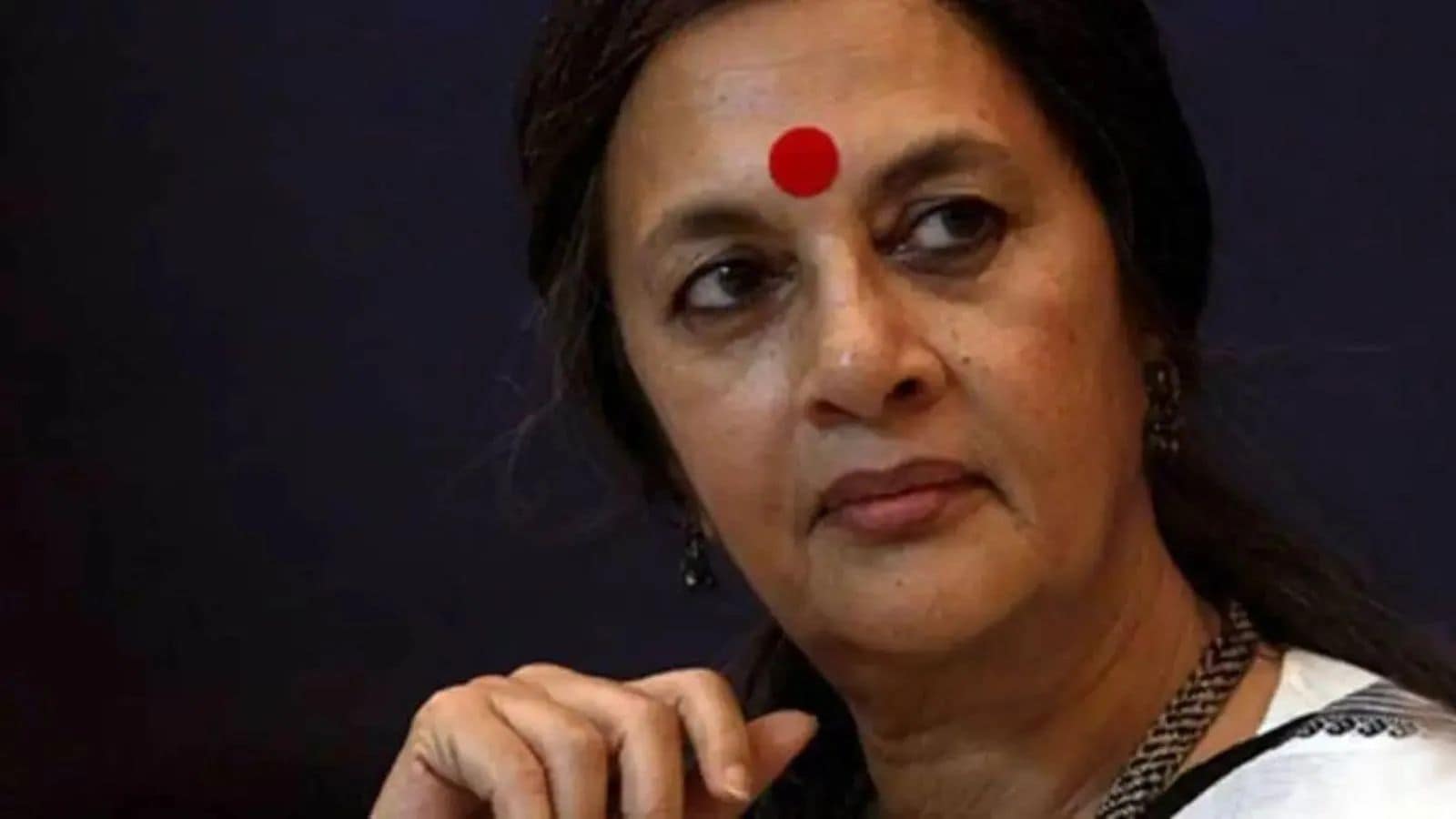
Brinda Karat seeks President's intervention to prevent dropping charges in Akhlaq lynching case.
Summary
Brinda Karat sought the President's intervention against a move to drop charges in the Mohammed Akhlaq lynching case. This action highlights the constitutional role of the President in ensuring justice and raises significant concerns about the integrity of legal proceedings in sensitive cases. It's crucial for understanding judicial and executive roles for competitive exams.
Key Points
- 1Brinda Karat, a prominent political figure, sought intervention from the President of India.
- 2The intervention concerns a move to drop charges in a specific legal case.
- 3The case in question is the Mohammed Akhlaq lynching case, a nationally significant event.
- 4The appeal underscores the President's constitutional role in matters of justice and legal oversight.
- 5The plea emphasizes concerns regarding the integrity and fairness of ongoing legal proceedings.
In-Depth Analysis
The intervention by Brinda Karat seeking the President's action against a move to drop charges in the Mohammed Akhlaq lynching case brings to the forefront critical aspects of India's justice delivery system, constitutional governance, and the persistent challenge of communalism. This incident, dating back to September 28, 2015, involved the brutal lynching of Mohammed Akhlaq in Dadri, Uttar Pradesh, by a mob over suspicions of cow slaughter and beef consumption. The case quickly became a national symbol of rising intolerance and vigilantism, drawing widespread condemnation and sparking debates on secularism and minority rights in India.
Brinda Karat, a prominent political figure associated with the Communist Party of India (Marxist) and a vocal human rights activist, approached the President of India, Droupadi Murmu, to intervene. Her plea was specifically against a reported move by the Uttar Pradesh government to withdraw charges against some accused individuals in the Akhlaq lynching case. This move, if it were to materialize, would entail using Section 321 of the Criminal Procedure Code (CrPC), which allows the public prosecutor to withdraw from the prosecution of any person, with the consent of the court. Karat's intervention underscores her belief that such a withdrawal would be a grave miscarriage of justice, politically motivated, and detrimental to the rule of law.
Key stakeholders in this complex scenario include the victim's family, who have been seeking justice for Akhlaq; the accused individuals, whose fate lies in the hands of the legal process; the prosecution, representing the state and responsible for ensuring a fair trial; and the judiciary, which ultimately decides on the validity of any charge withdrawal. Brinda Karat acts as a civil society voice and a political advocate, leveraging her position to highlight perceived injustices. Most significantly, the President of India, as the head of state and the first citizen, holds a unique constitutional position. While the President generally does not directly interfere in ongoing judicial proceedings, they are the custodian of the Constitution and take an oath (Article 60) to "preserve, protect and defend the Constitution and the law." Appeals to the President in such sensitive cases are often made to invoke moral authority and ensure that constitutional principles, particularly the rule of law and justice, are upheld.
This matter holds immense significance for India. Firstly, it directly impacts the principle of the rule of law. Any perception of political interference in the prosecution of a heinous crime like lynching can severely erode public trust in the justice system. Secondly, it touches upon the sensitive issue of communal harmony and the protection of minority rights. The Akhlaq case highlighted vulnerabilities of minority communities to mob violence and the need for robust state protection. Dropping charges in such a high-profile case could send a chilling message, potentially emboldening vigilant groups and undermining efforts to combat communalism. Thirdly, it tests the accountability of the executive branch in ensuring justice, free from political influence.
Constitutionally, several articles are relevant. Article 21 guarantees the fundamental Right to Life and Personal Liberty, which includes the right to a fair trial and access to justice. Article 14 ensures Equality Before Law and Equal Protection of Laws, meaning justice should be dispensed without fear or favour. While the President's direct judicial intervention powers are limited to pardons (Article 72), appealing to the President signifies a call to uphold the constitutional ethos of justice and fairness. The CrPC, specifically Section 321, governs the process of withdrawal from prosecution, requiring the court's consent and ensuring such a withdrawal is in the interest of public justice. The Supreme Court has, in various judgments, emphasized that such powers should not be exercised to stifle justice or for extraneous considerations.
Historically, India has witnessed several instances of mob violence and communal tensions. The Supreme Court, in the landmark Tehseen Poonawalla vs. Union of India case (2018), issued comprehensive guidelines to the central and state governments to prevent mob lynchings and take stringent action against perpetrators, terming it a "horrendous act of mobocracy." This current intervention, therefore, connects to broader themes of governance challenges in maintaining law and order, protecting vulnerable sections, and ensuring the independence and integrity of the criminal justice system. The future implications are significant: the outcome of this appeal and the subsequent legal proceedings will not only determine justice for the Akhlaq family but also set a precedent for how similar communally charged cases are handled. It will further shape the discourse around executive accountability, the President's moral authority, and the enduring struggle to uphold secular values and the rule of law in India.
Exam Tips
This topic falls under GS Paper II (Polity & Governance, Social Justice) and GS Paper I (Indian Society - Communalism). Focus on the constitutional role of the President, the functioning of the criminal justice system, and issues related to communalism and minority rights.
Study related topics such as the powers and functions of the President of India (Articles 52-62, 72), the concept of Rule of Law, fundamental rights (especially Articles 14, 21), provisions of the CrPC related to prosecution and withdrawal of cases (Section 321), and the Supreme Court's directives on mob lynching (e.g., Tehseen Poonawalla case).
Common question patterns include analytical questions on the President's role in upholding the Constitution, the challenges faced by the criminal justice system in India, the impact of communal violence on social fabric, and the effectiveness of legal/policy measures against mob lynching. Be prepared to discuss the balance between executive discretion and judicial oversight.