
India to increase rice utilization for ethanol production in 2024-25
GK and monthly revision
Rice use for ethanol may rise as maize, sugarcane acreage falls this Kharif season
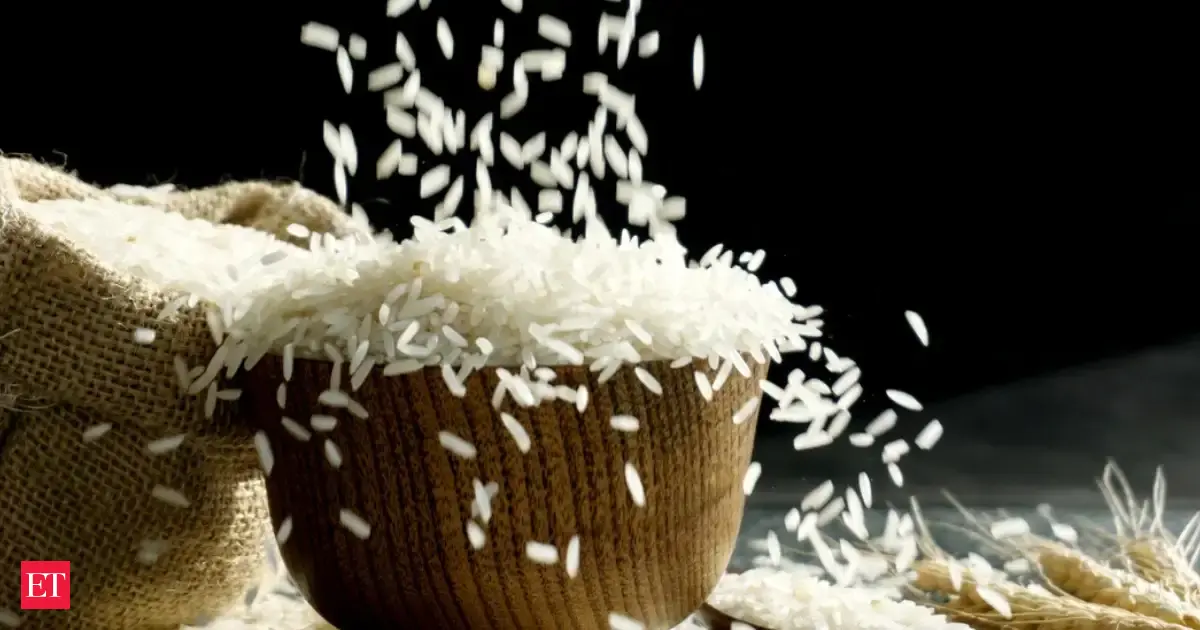
India plans to increase rice usage for ethanol production as maize and sugarcane acreage declines this Kharif season. The government's healthy rice stocks provide a buffer, while soaring sugar prices due to output fears drive this shift. This strategy supports India's target of 20% ethanol blending, crucial for energy security and reducing crude oil imports.
Revision structure
Monthly events and exam calendar context
Static GK and one-liner notes
Quiz and mock-test revision path
Key points
Exam-ready takeaways
Maize and sugarcane acreage reduced in current Kharif season
Government maintains healthy rice stocks as feedstock safety net
Sugar prices surge to unprecedented levels due to crop output concerns
Policy aligns with national target of 20% ethanol blending ratio
Detailed analysis
Full exam-oriented breakdown
India's strategic pivot toward increased rice utilization for ethanol production in the 2024-25 Kharif season marks a significant recalibration in the country's biofuel policy framework. This development emerges against the backdrop of declining acreage for traditional ethanol feedstocks — maize and sugarcane — during the current sowing season, compelling policymakers to leverage the Food Corporation of India's (FCI) substantial rice reserves as an alternative feedstock. The decision reflects the government's unwavering commitment to achieving the ambitious 20% ethanol blending target (E20) by 2025-26, advanced from the original 2030 timeline under the National Policy on Biofuels, 2018, as amended in 2022. Historically, India's ethanol blending programme (EBP) has relied predominantly on sugarcane molasses — a byproduct of sugar manufacturing — with maize emerging as a secondary grain-based feedstock since 2021. The programme gained momentum after the 2014 launch of the Pradhan Mantri JI-VAN Yojana (Jaiv Indhan - Vatavaran Anukool Fasal Awashesh Nivaran) and received further impetus through the Ethanol Blended Petrol (EBP) Programme under the Ministry of Petroleum and Natural Gas. However, the 2023-24 sugar season witnessed a sharp decline in sugarcane production due to erratic monsoons and red rot disease in key states like Maharashtra, Uttar Pradesh, and Karnataka, pushing domestic sugar prices to record highs (exceeding ₹42/kg retail) and prompting export restrictions under the Essential Commodities Act, 1955. Key stakeholders in this transition include the Ministry of Petroleum and Natural Gas (nodal ministry for EBP), Ministry of Consumer Affairs, Food and Public Distribution (managing FCI stocks), Ministry of Agriculture and Farmers' Welfare (crop planning), oil marketing companies (IOCL, BPCL, HPCL) as off-takers, distilleries (both molasses and grain-based), and farmers. The National Biofuel Coordination Committee (NBCC), chaired by the Petroleum Minister, plays a pivotal role in pricing and allocation decisions. The decision to divert rice from FCI stocks — procured at Minimum Support Price (MSP) under the National Food Security Act, 2013 (NFSA) — to ethanol production raises critical questions about the hierarchy of priorities between food security (Article 47, Directive Principles) and energy security. Economically, this shift carries profound implications. India's crude oil import bill stood at $157.5 billion in FY24, and achieving E20 could save approximately ₹40,000-50,000 crore annually in forex outgo. However, diverting rice — a staple for over 800 million NFSA beneficiaries — to fuel production risks exacerbating food inflation, which remained sticky at 8-9% for cereals in early 2024. The FCI's rice stock of ~45 million tonnes (as of April 2024) exceeds buffer norms, but open market sale scheme (OMSS) prices have already risen. Politically, the move tests the government's balancing act between farmer incomes (sugarcane FRP arrears exceeded ₹15,000 crore in 2023-24), consumer welfare, and climate commitments under the Paris Agreement (India's NDC targets 50% non-fossil fuel capacity by 2030). Constitutionally, the subject intersects multiple entries: Entry 53 (petroleum) and Entry 33 (trade in foodstuffs) of the Union List, and Entry 18 (agriculture) of the State List, necessitating cooperative federalism. The Essential Commodities (Amendment) Act, 2020 (repealed in 2021) had briefly deregulated cereals, but current controls persist under the Essential Commodities Act, 1955. The Supreme Court's 2011 verdict in PUCL v. Union of India (Right to Food case) underscores the state's obligation to ensure food access, adding a judicial dimension to feedstock allocation decisions. Broader themes include the water-energy-food nexus — rice cultivation consumes 3,000-5,000 litres/kg — raising sustainability concerns in water-stressed regions like Punjab-Haryana. Internationally, India's ethanol push aligns with the Global Biofuels Alliance (launched at G20 New Delhi Summit, September 2023), positioning India as a technology provider to the Global South. Future implications include potential expansion of maize ethanol (less water-intensive), investment in 2G ethanol (agricultural residue) under the Pradhan Mantri JI-VAN Yojana Phase-II (₹1,969 crore outlay), and possible WTO challenges if grain diversion is deemed trade-distorting. The 2024-25 season will test whether rice-based ethanol can bridge the feedstock gap without compromising the delicate equilibrium of India's food-fuel-climate trilemma.
How to study
Turn news into exam marks
Revise monthly events by exam family instead of reading random updates.
Pair one-liners with mock tests so mistakes become the next revision list.
Keep state job pages, calendar pages and GK packs connected in one path.