
Regulator: Securities and Exchange Board of India (SEBI)
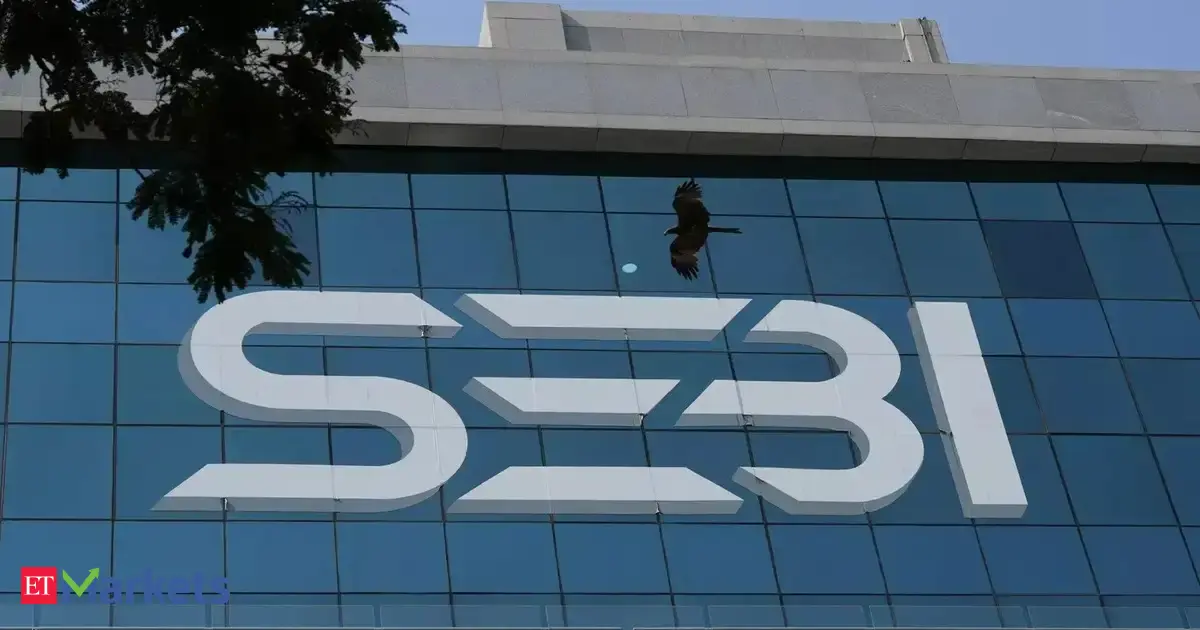
GK and monthly revision
Sebi imposes Rs 1-crore fine on CDSL
SEBI imposed a Rs 1 crore penalty on Central Depository Services Limited (CDSL) for cybersecurity and operational lapses following a malware attack that disrupted its critical systems. The depository failed to adequately secure its infrastructure, leading to isolation of its systems from the market. Notably, no monetary penalty was imposed on former top officials. This highlights regulatory focus on cyber resilience in financial market infrastructure.
Revision structure
Monthly events and exam calendar context
Static GK and one-liner notes
Quiz and mock-test revision path
Key points
Exam-ready takeaways
Entity penalized: Central Depository Services Limited (CDSL)
Penalty amount: Rs 1 crore
Reason: Cybersecurity and operational lapses following a malware attack
Key detail: No monetary penalty imposed on former top officials of CDSL
Detailed analysis
Full exam-oriented breakdown
The Securities and Exchange Board of India (SEBI) imposing a Rs 1 crore penalty on Central Depository Services Limited (CDSL) marks a significant regulatory intervention in India's financial market infrastructure. To understand the gravity of this action, we must first appreciate the critical role CDSL plays in India's capital markets. Established in 1999 under the Depositories Act, 1996, CDSL is one of two central securities depositories in India (the other being NSDL), responsible for holding securities like shares, bonds, and mutual fund units in electronic form and facilitating their transfer. As a Market Infrastructure Institution (MII), CDSL is the backbone of the securities settlement system — any disruption here cascades across the entire financial ecosystem, affecting millions of investors, brokers, and listed companies. The penalty stems from a malware attack that compromised CDSL's critical systems, leading SEBI to isolate the depository from the market to prevent systemic risk. This incident, which occurred in 2023, exposed serious gaps in CDSL's cybersecurity framework, incident response protocols, and operational resilience. SEBI's order highlighted that CDSL failed to implement adequate security controls mandated under the SEBI (Depositories and Participants) Regulations, 2018, and the SEBI Master Circular on Cyber Security and Cyber Resilience for Depositories (2022). These regulations require MIIs to maintain robust IT governance, conduct regular vulnerability assessments, ensure business continuity planning, and report incidents within prescribed timelines — all of which were found wanting. What makes this case particularly instructive for exam aspirants is the regulatory philosophy it reflects. SEBI chose to penalize the institution (CDSL) but not its former top officials individually. This signals a shift toward institutional accountability rather than personal blame — a nuanced approach recognizing that cyber resilience is a systemic, organizational capability, not merely a function of individual competence. It aligns with global best practices from bodies like IOSCO (International Organization of Securities Commissions) and the CPMI-IOSCO Principles for Financial Market Infrastructures (PFMIs), which India has committed to implementing. The constitutional and legal backdrop is equally important. Article 300A of the Constitution protects property rights, and securities held in demat form are a form of property. The Depositories Act, 1996, read with the SEBI Act, 1992, empowers SEBI to regulate depositories to protect investor interests and ensure market integrity. The penalty also draws from the Information Technology Act, 2000 (as amended in 2008), which mandates reasonable security practices for sensitive personal data — highly relevant as depositories hold vast investor data. Broader themes emerge: the growing centrality of cyber resilience in financial stability, the evolving role of regulators from rule-makers to active supervisors of technology risk, and the tension between innovation (digital markets) and security. With India's demat accounts crossing 130 million (as of 2024), the stakes are enormous. This case may prompt tighter norms — mandatory cyber audits, real-time threat intelligence sharing among MIIs, and possibly a dedicated Cyber Security Framework for Financial Sector under the proposed Financial Sector Development Council. Future implications? Expect SEBI to issue stricter guidelines on cloud adoption, third-party risk management, and ransomware preparedness. Other MIIs (stock exchanges, clearing corporations) will face enhanced scrutiny. For aspirants, this is not just a current affairs item — it's a window into how India is building a resilient, trustworthy digital financial architecture.
How to study
Turn news into exam marks
Revise monthly events by exam family instead of reading random updates.
Pair one-liners with mock tests so mistakes become the next revision list.
Keep state job pages, calendar pages and GK packs connected in one path.